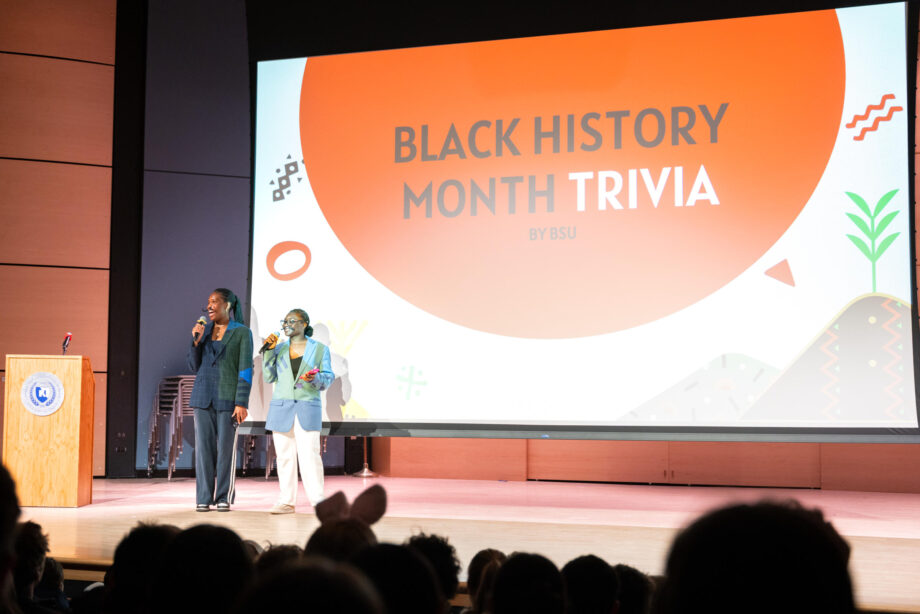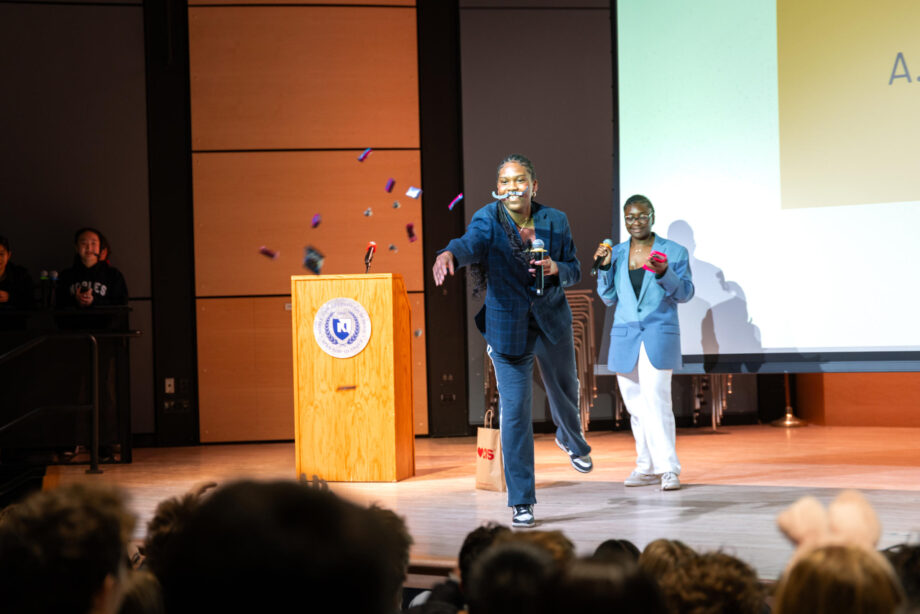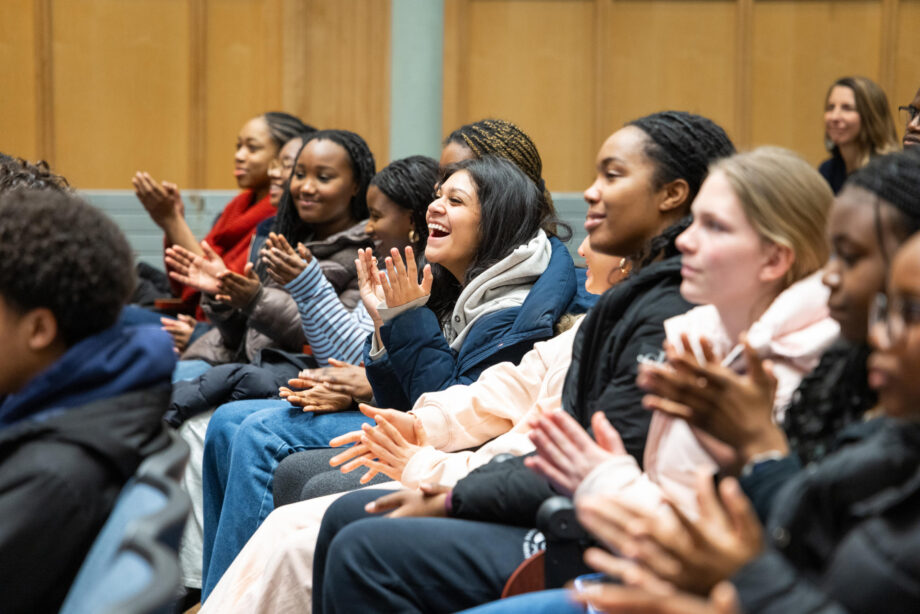
Throughout February, the Nobles community honored the 100th anniversary of Black History Month through a dynamic series of student-led presentations and community events that deepened understanding, sparked conversations, and celebrated Black leadership and activism.
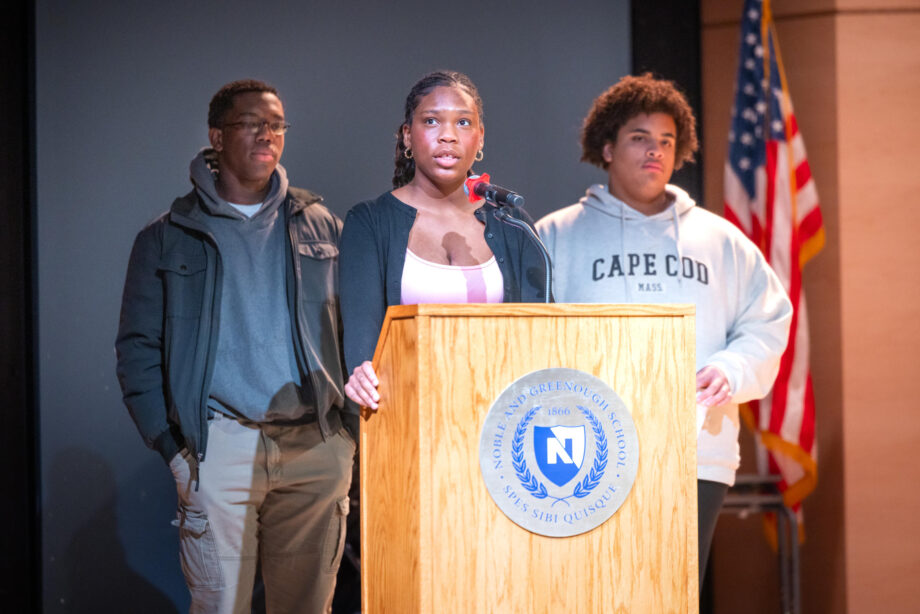
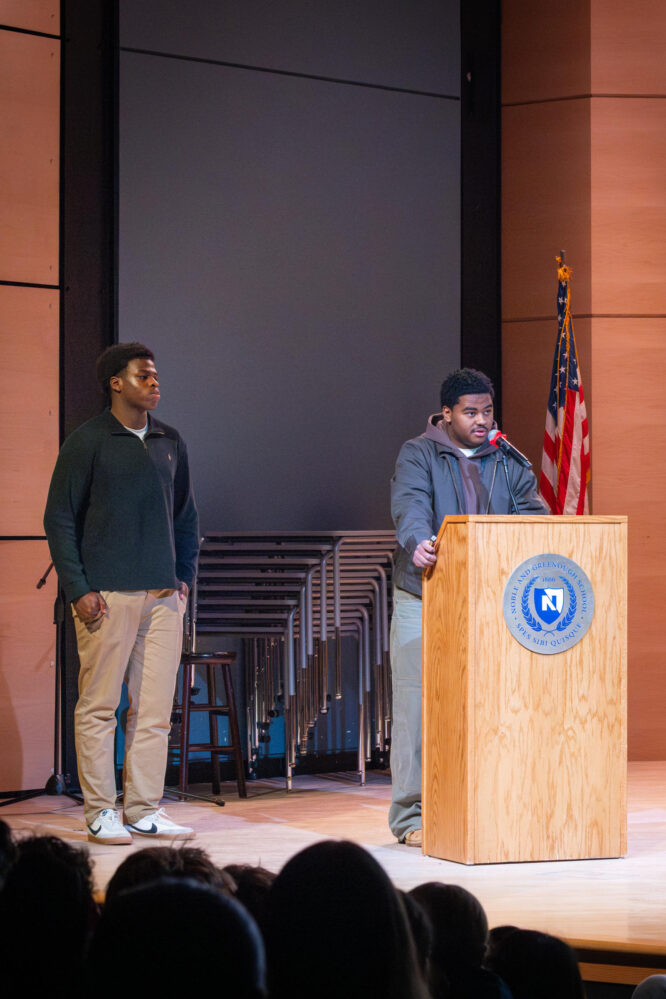
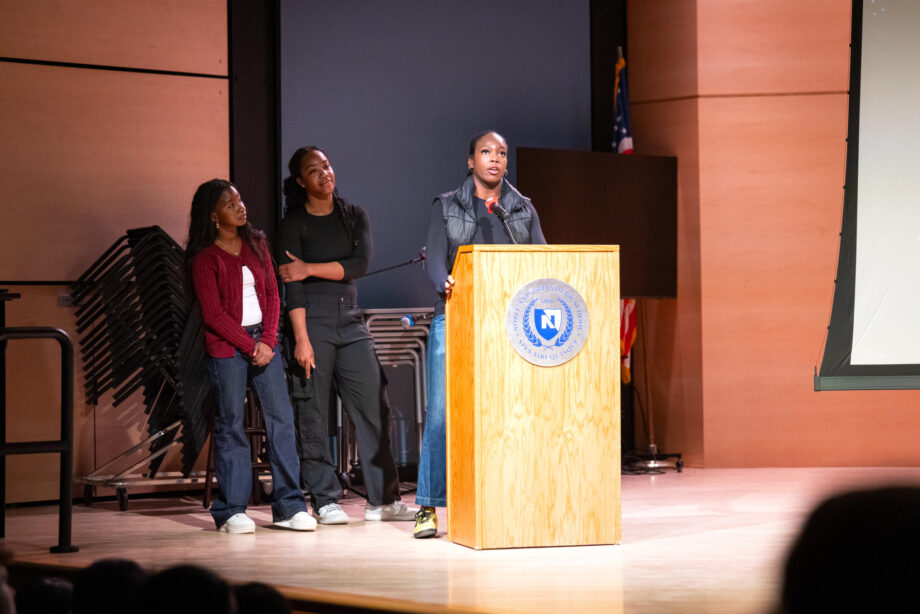
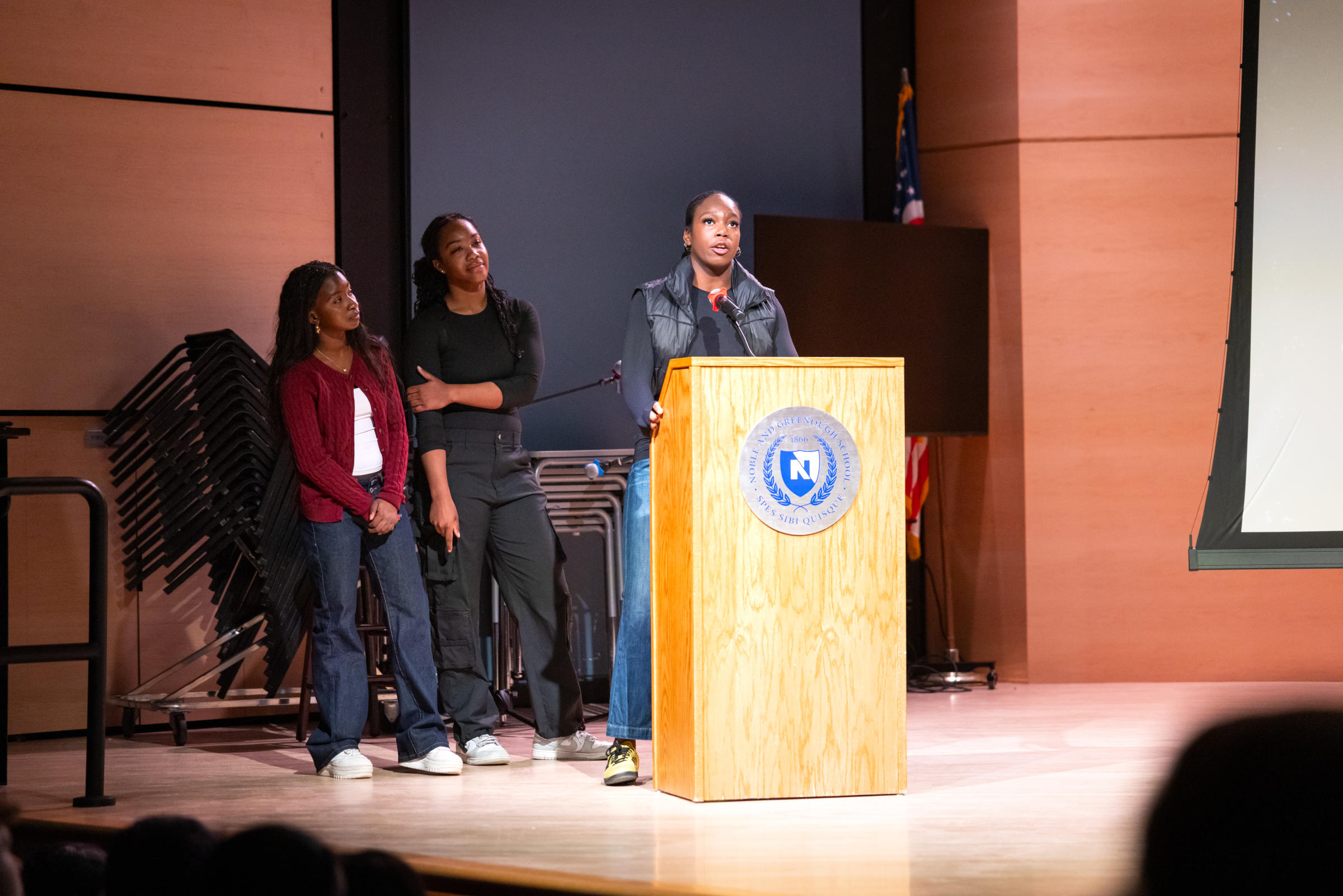
Organized by the Black Student Union (BSU), the month’s theme highlighted pivotal figures and movements that have shaped Black history and civic life. During Assembly, BSU student leaders shared historic profiles, personal reflections, and stories that connected historical milestones to present-day conversations about justice, equity, and belonging.
In one presentation, students offered a sweeping look at Black political engagement—from early resistance to segregation to modern movements expanding access to the ballot box. Their work grounded Nobles students in the idea that history continues to unfold through everyday acts of courage and advocacy.
Subsequent presentations explored the long struggle for voting rights, the impacts of landmark legislation, and the ongoing role of civic participation in shaping inclusive communities.
“It felt like an important time in our global and national atmosphere to remind all of us that our voices can help change the trajectory of history and that minorities, especially black people, will not be silenced,” shared Ekene Madu and Jay Jay Destine, both ‘26, BSU community outreach chairs. “We’re also firm believers that if you don’t work to affect politics for the better, then politics will affect you for the worse. We [at Nobles] are too fortunate to be uneducated.”
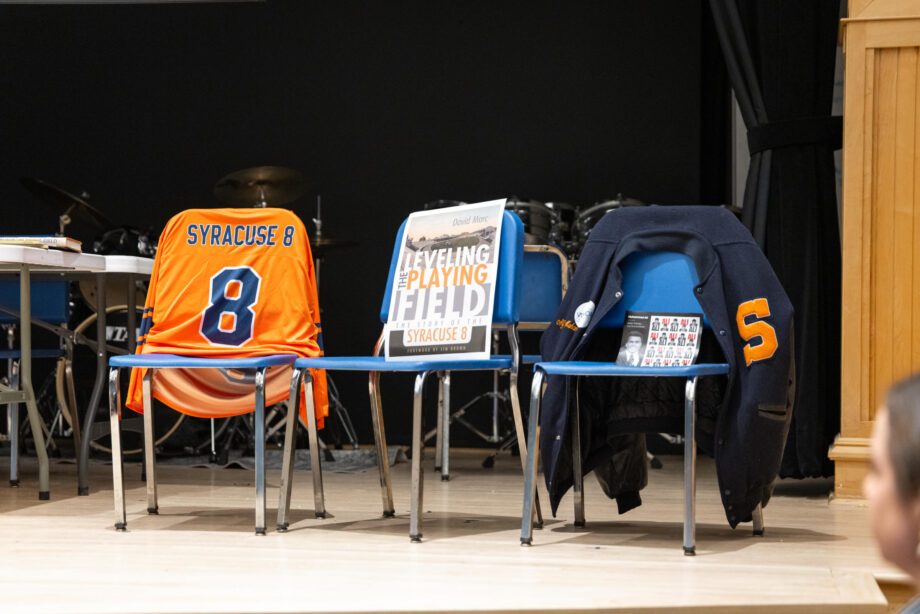
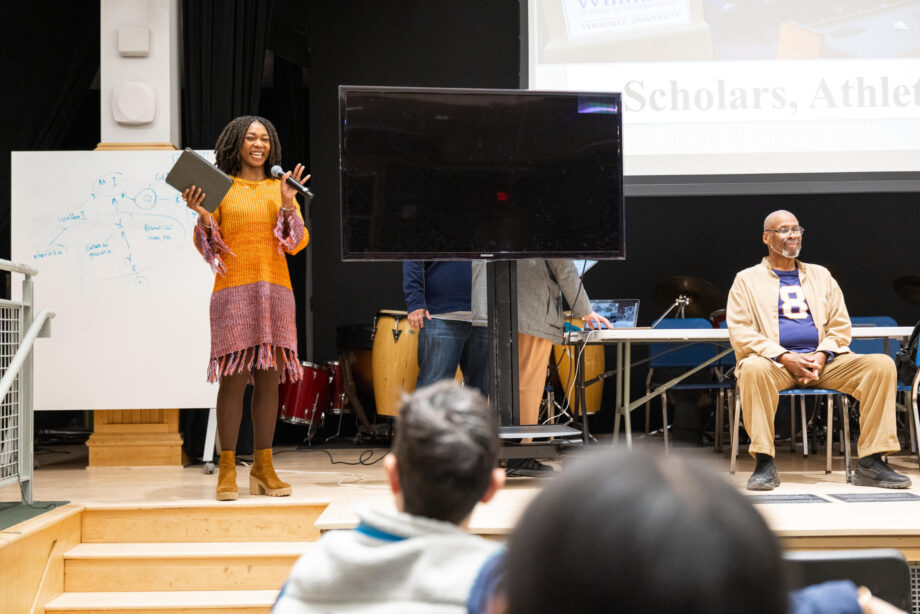
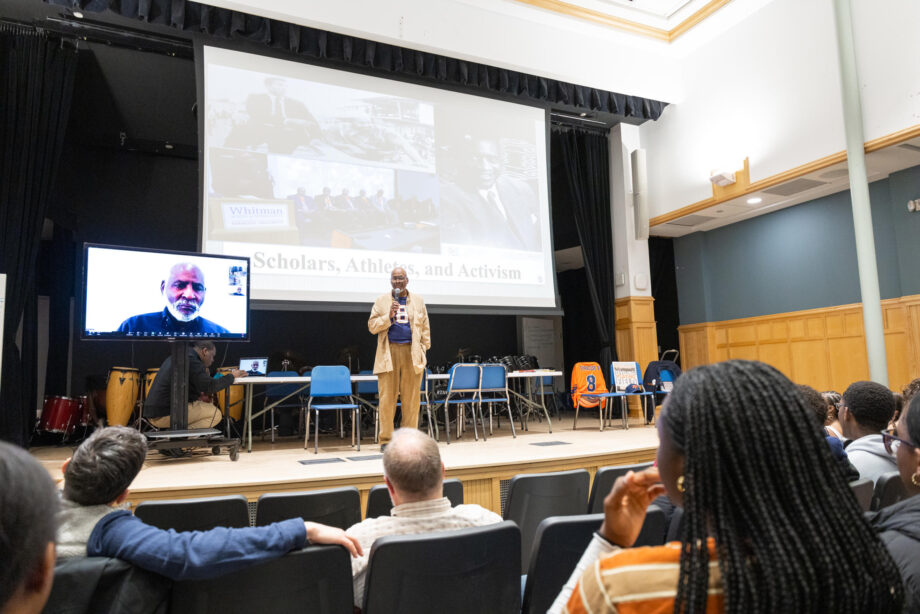
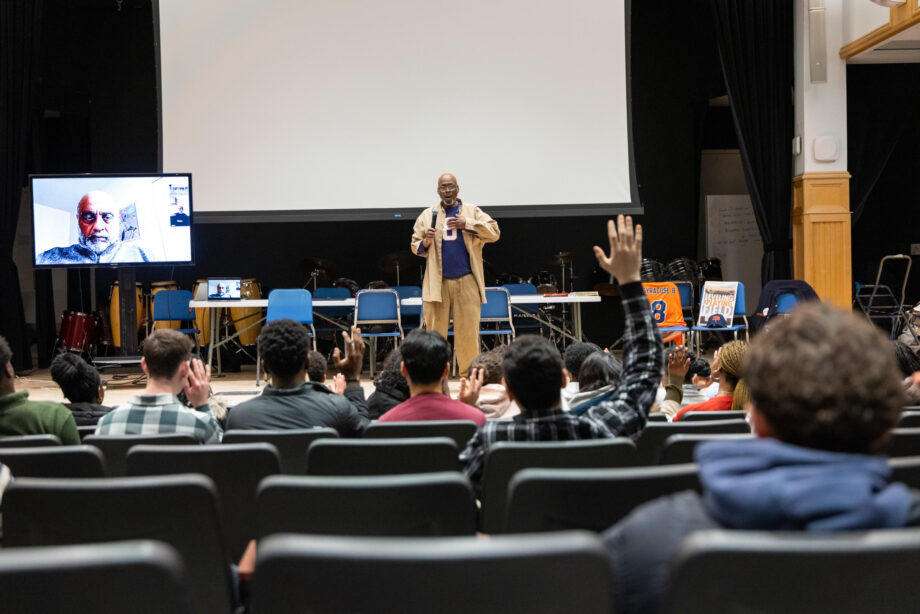
A highlight of the month was a visit from three members of the historic Syracuse 8—a group of Black student-athletes, who organized a courageous protest in 1970 at Syracuse University to confront racial inequities in collegiate athletics and across campus. What began as a stand for fair treatment in academic and medical support for athletes became a defining moment in student activism, reshaping institutional policies and expanding opportunities for future generations.
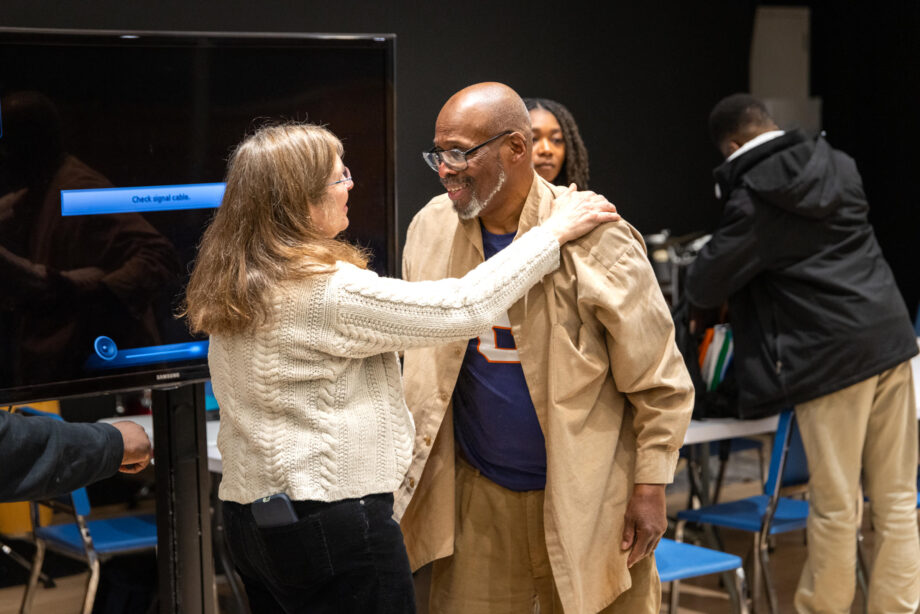
Speaking candidly with Nobles students, Alif Muhammad, Greg Allen, and John Lobon of the Syracuse 8 reflected that the public protest carried personal and professional consequences. Several athletes sacrificed potential NFL careers. “What we stood for we would not benefit from,” Lobon said, referring to their sacrifices for future generations.
They described what it meant to take a public stand as 18- and 19-year-olds during a time of national unrest, urging students to examine their own convictions and biases, act with courage, and remain grounded in truth. “Don’t let nobody say you’re nobody. When you look in the mirror, believe what you see. Love what you see,” urged Lobon.
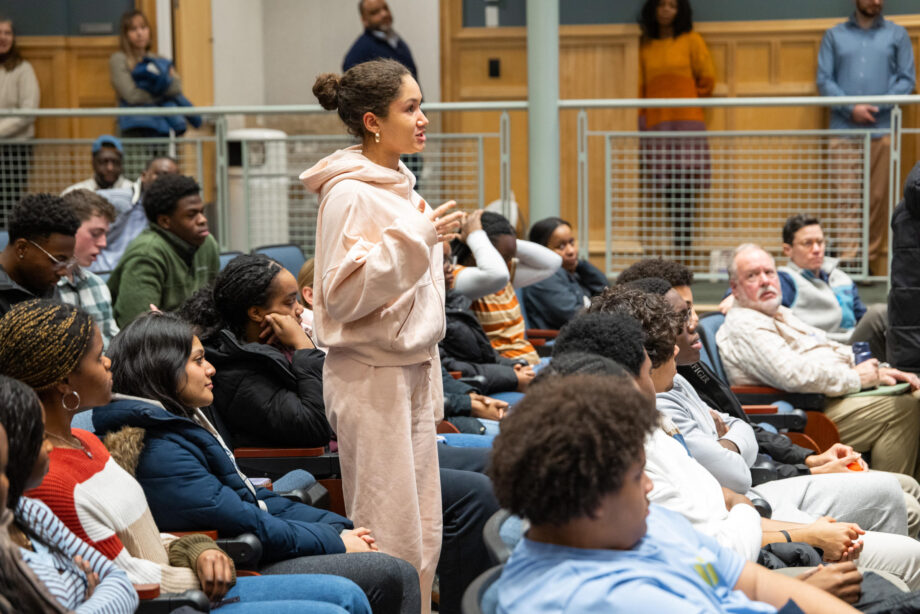
Muhammad, Allen, and Lobon challenged Nobles students to consider how they might use their own voices and opportunities in the service of others. “What will be your contribution?” asked Muhammad.
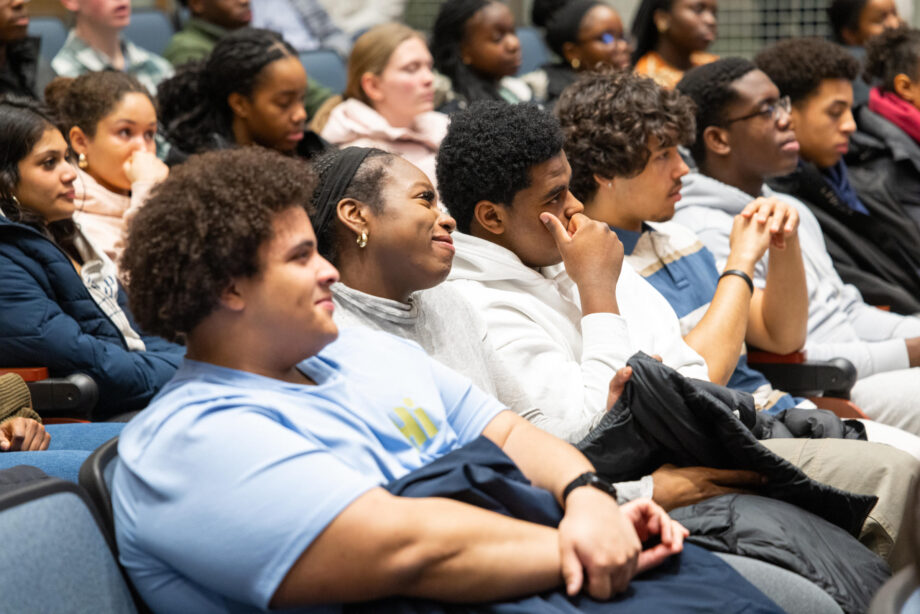
Black History Month at Nobles was marked by a spirit of curiosity, empathy, and shared exploration. Through thoughtful collaboration, careful research, and student leadership, members of BSU created space for the community to reflect on the past while considering the role each of us can play in shaping the future.