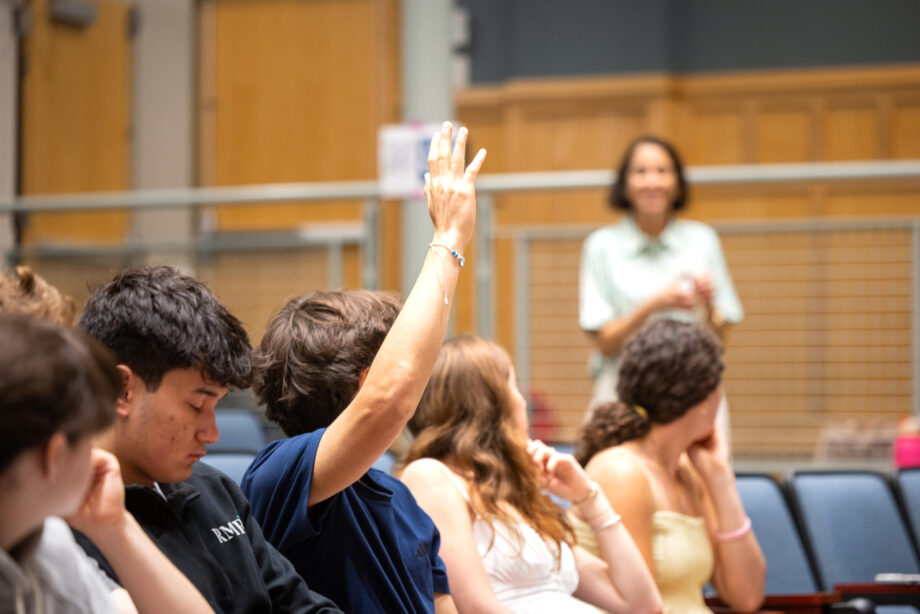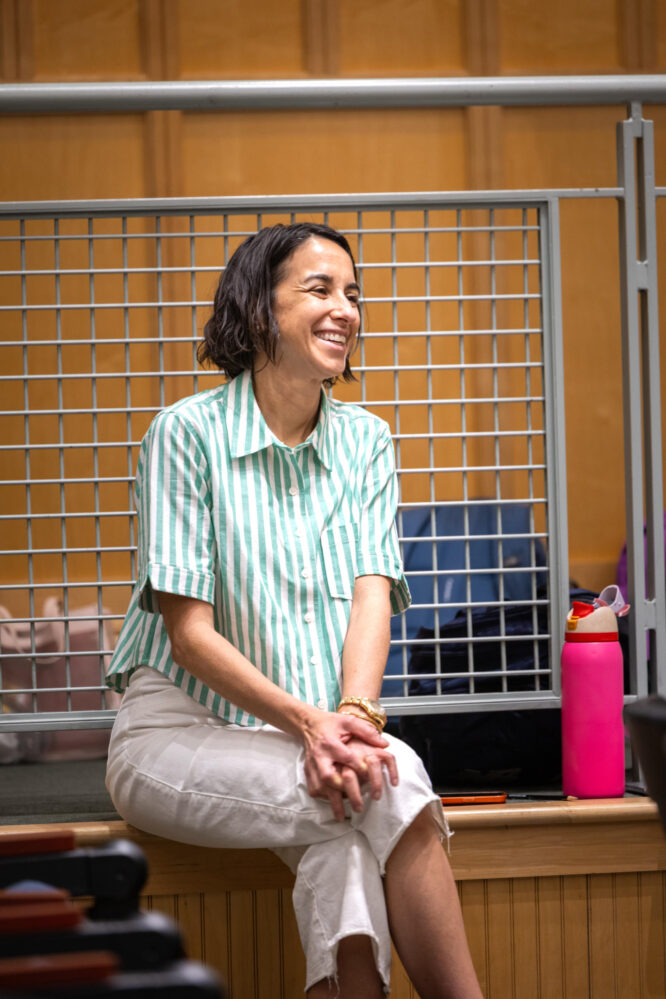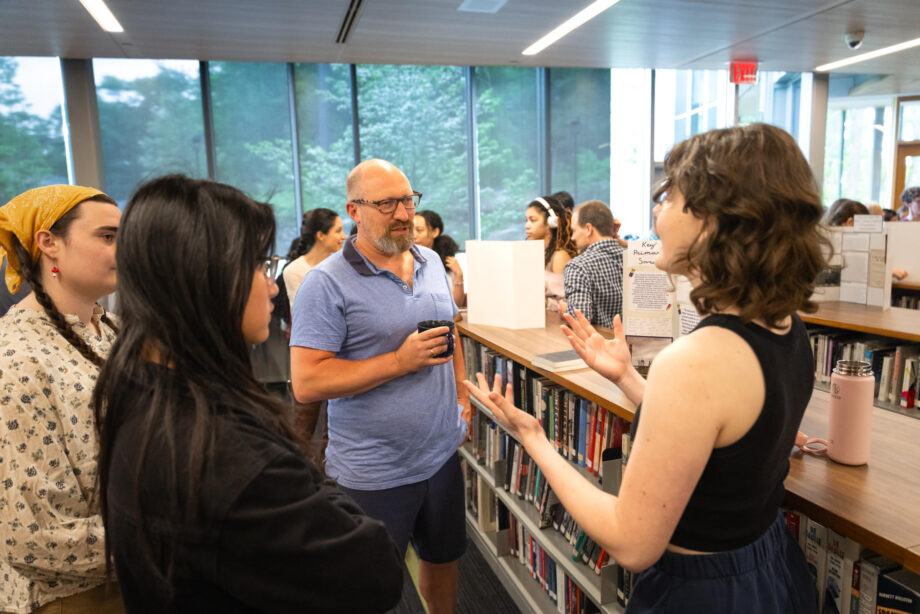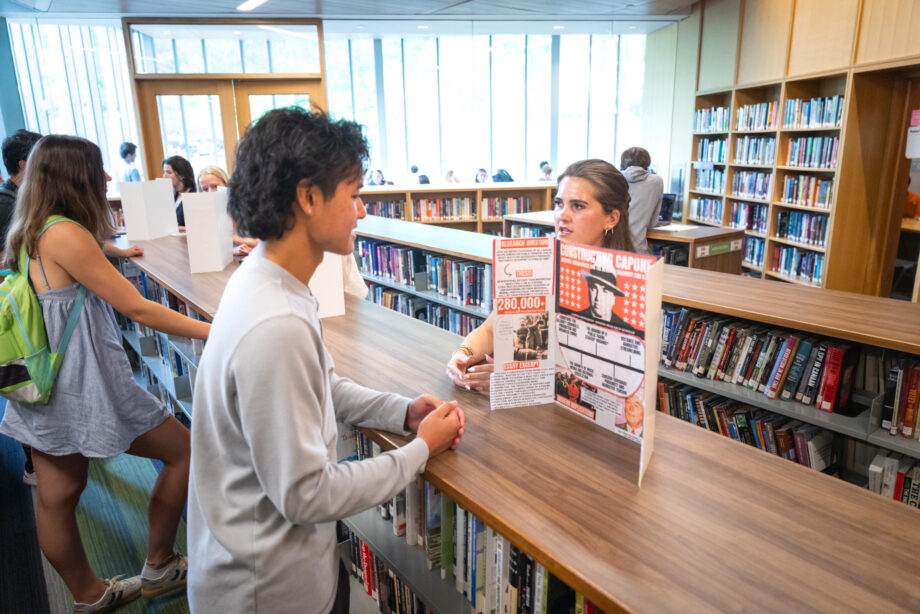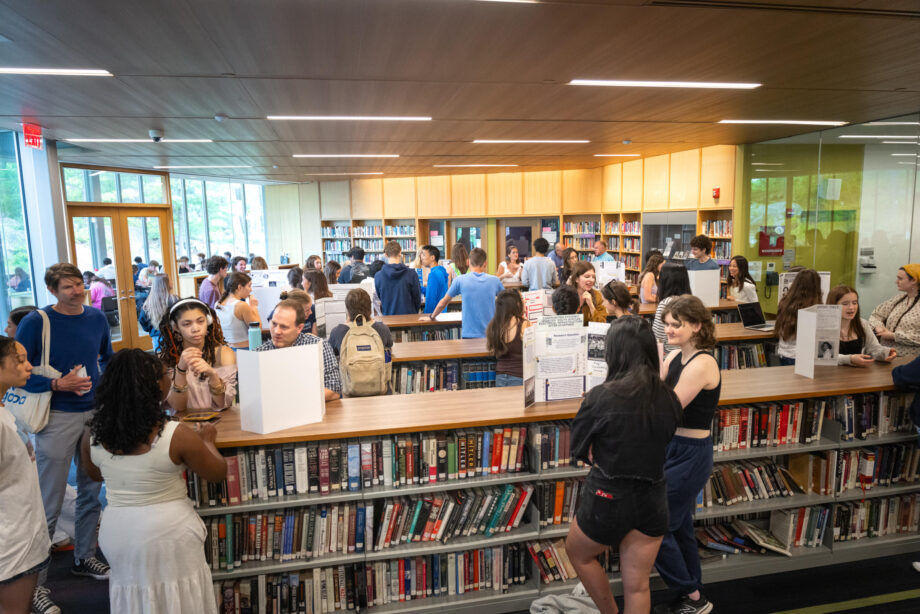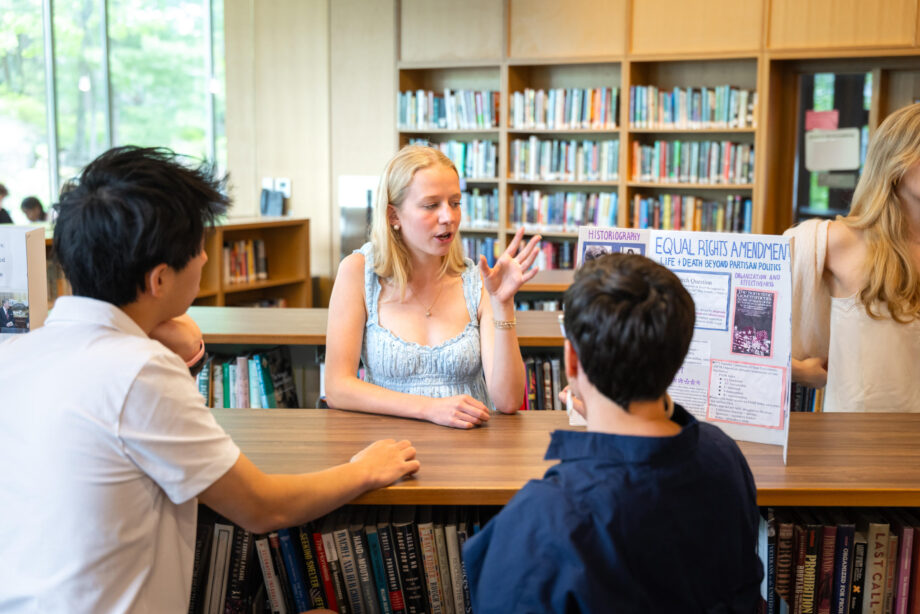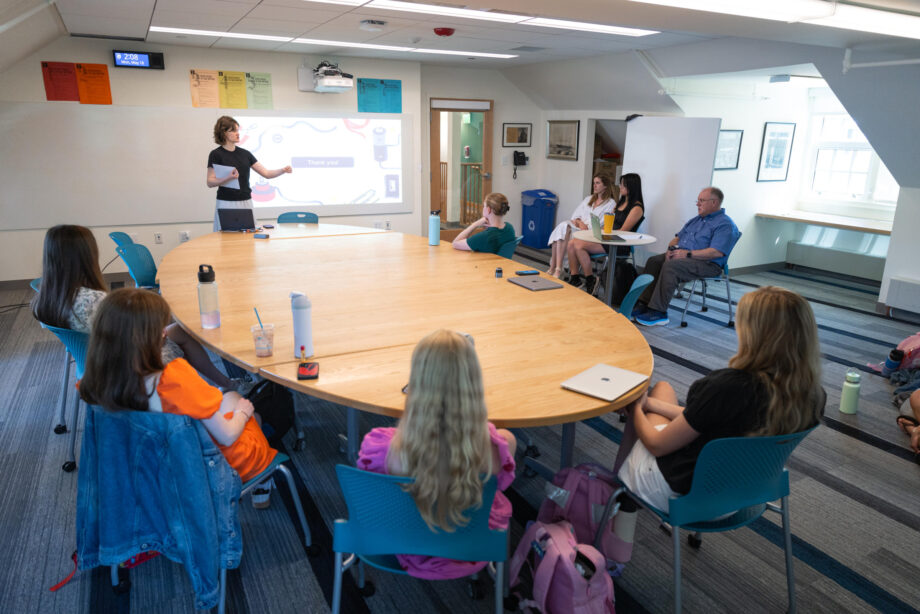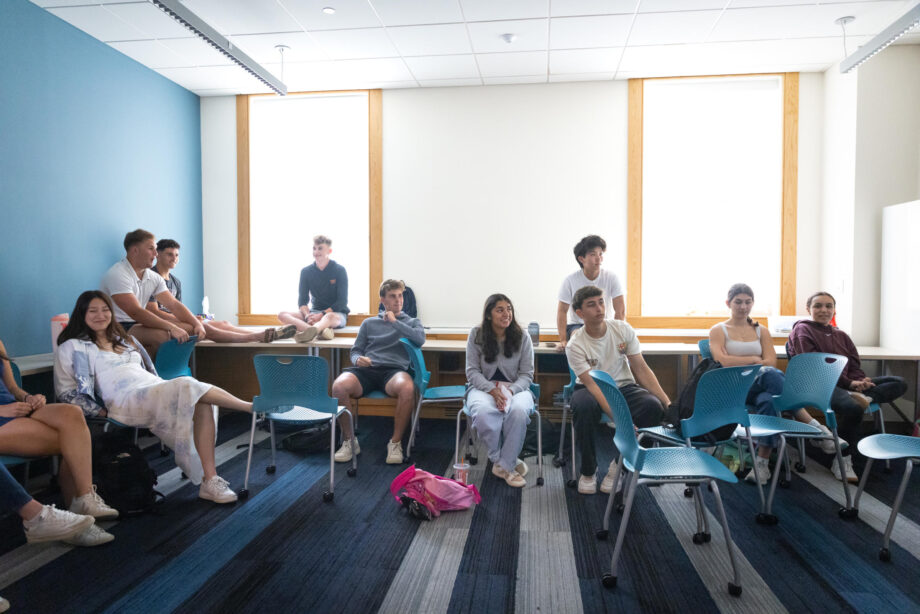
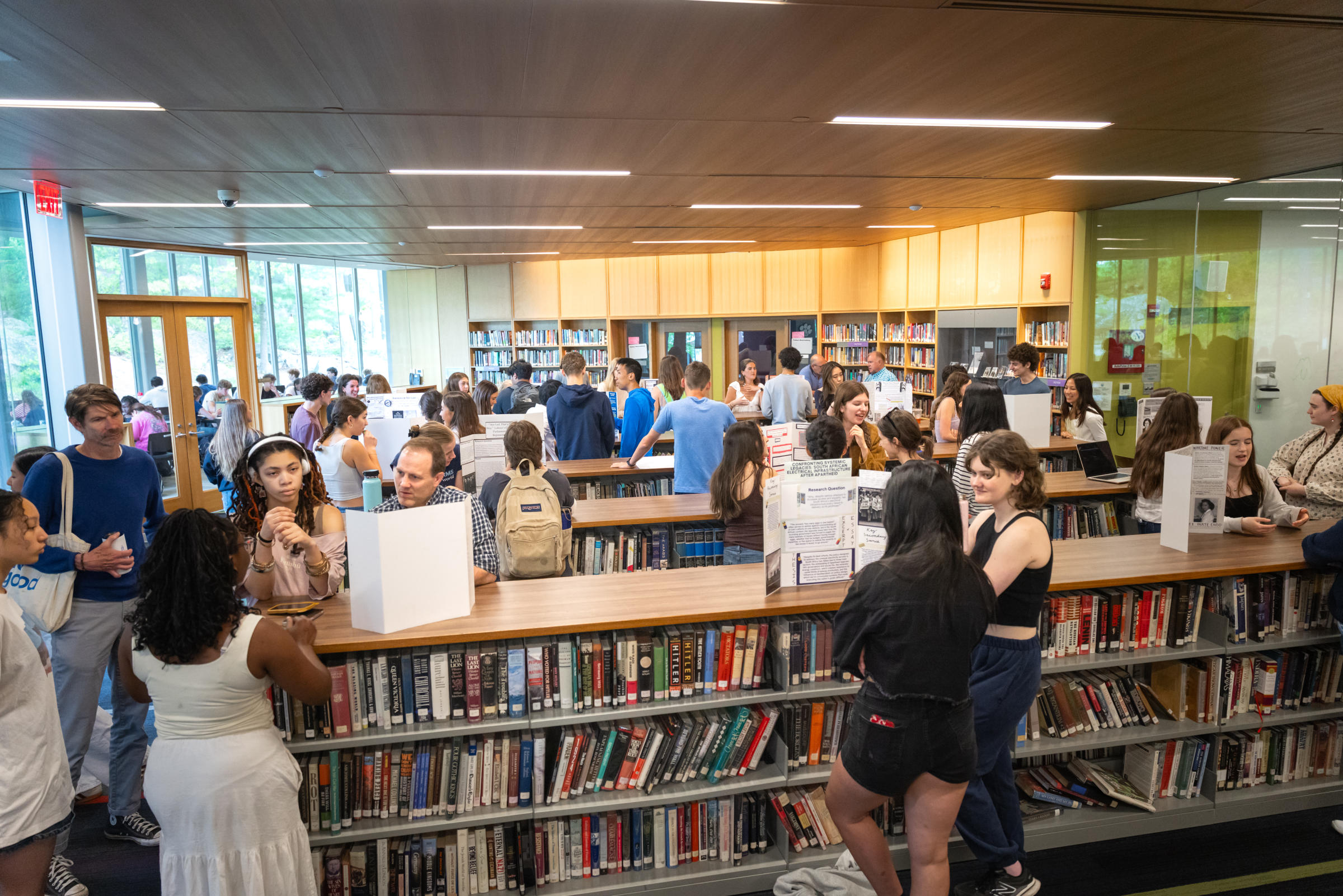
In the final weeks of school, the Class of 2026 helped inaugurate a new Nobles tradition: the first-ever Academic Showcase, a day dedicated to celebrating the depth, range, and creativity of senior academic work. Held on May 21, the showcase invited the community into classrooms, auditoriums, and presentation spaces across campus to see students share the questions, projects, and ideas that shaped their final projects at Nobles.
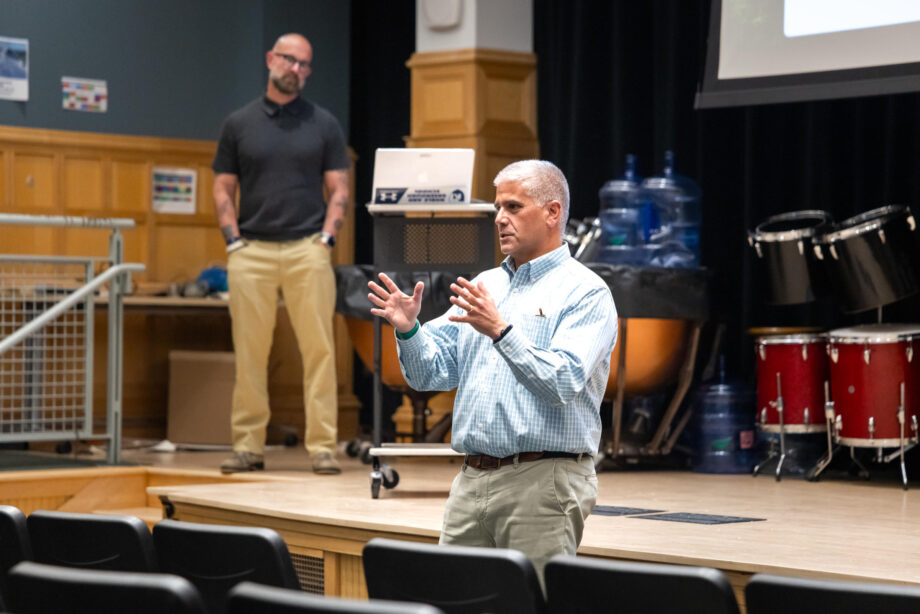
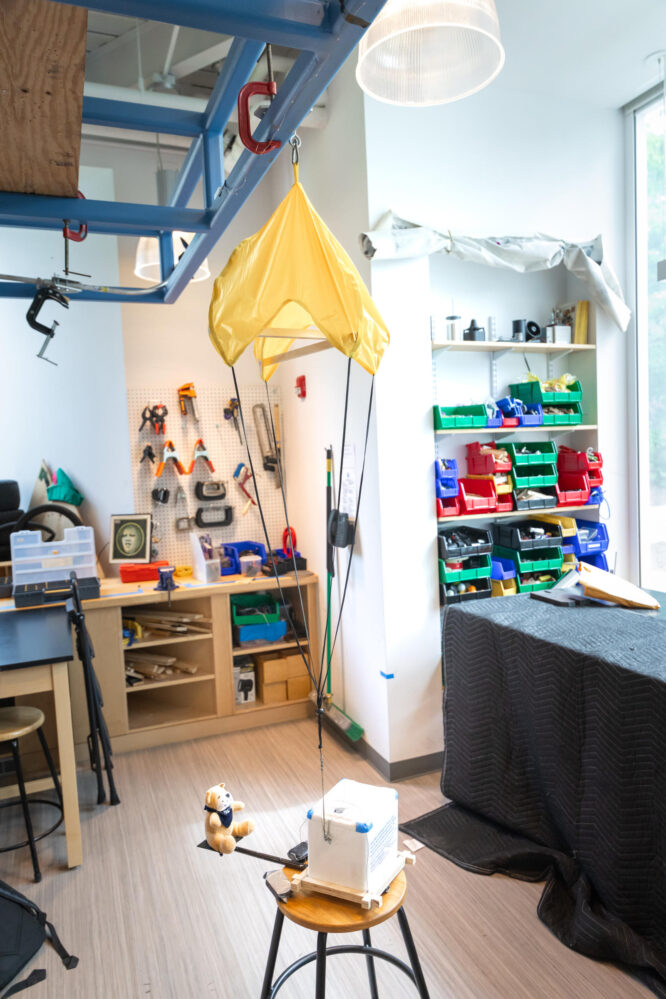
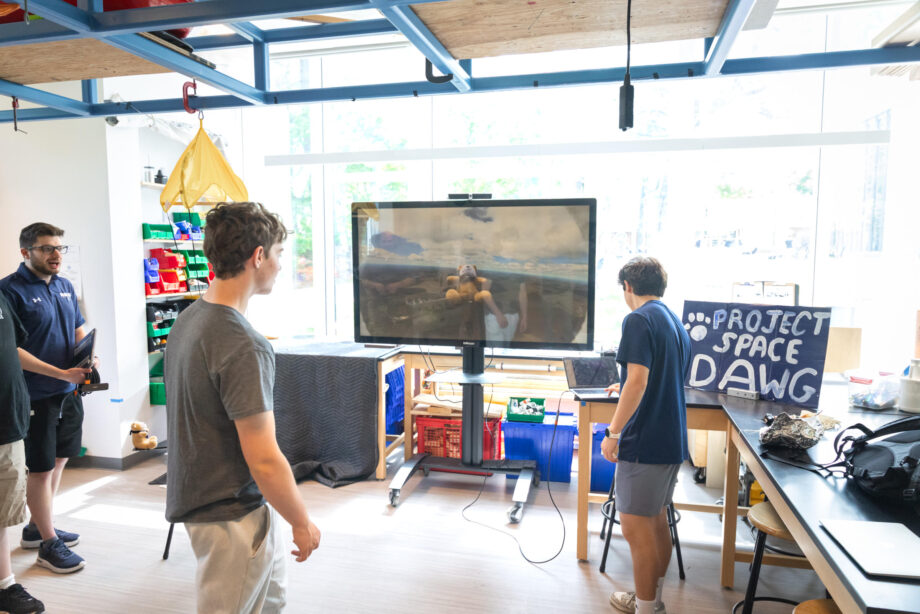
“It’s a different kind of experience to have to explain your project, your work, and your findings and respond to questions on your feet,” said Head of Upper School Alison Easterling. “As an academic community, it’s exciting and valuable to have a public sharing of what our students are up to. There’s a celebratory feeling in all of those presentations, because it’s a culmination. It’s really an embodiment of our core values, from the playfulness that we saw in physics—a stuffed bulldog being launched into the stratosphere—to the curiosity that drove each of the Honors Research Seminar presentations.”
The 2026 Academic Showcase included courses across English, science, history and social sciences, and other disciplines. Explore a sampling of the participating classes and final projects below.
ENGLISH
City in Literature
In City in Literature, students examined how writers use cities as both settings and symbolic characters, exploring what urban landscapes reveal about individuals and society at large. For their final project, students wrote independent “Little Essays” on a chosen topic. They presented their essays with slideshows that addressed the planning, process, and final work.
Creative Writing
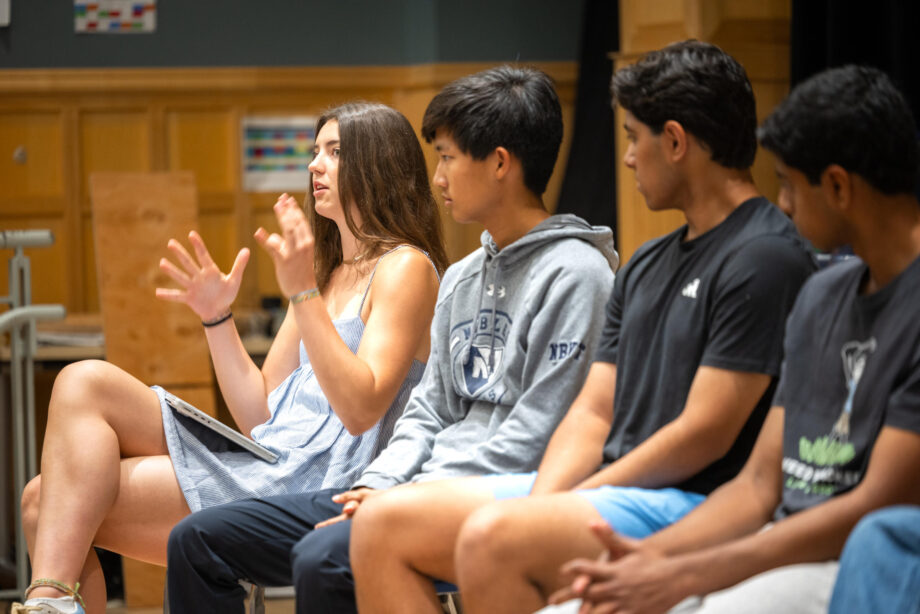
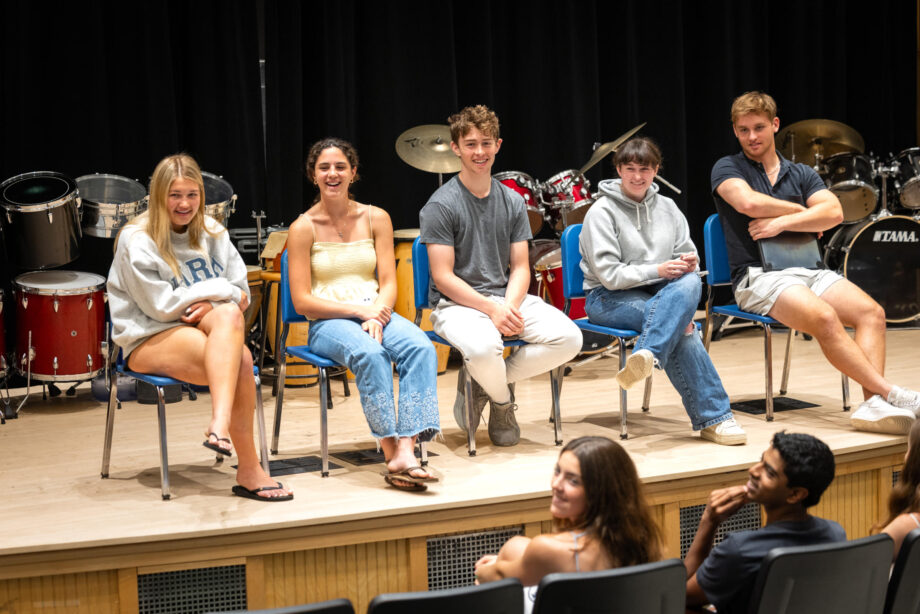
Students in Creative Writing II spent a month crafting New Yorker-style profiles of members of the Nobles community. The project required interviews, observations, and additional perspectives from others who know them well. Students participated in a panel discussion in Towles Auditorium, where each student read a short excerpt from their piece, discussed their process, and answered audience questions.
Literary Adaptations
In Literary Adaptations, a course that blends film studies and English, students explore how short stories and novels are adapted for film, observing and evaluating how texts are translated from page to screen. For their final project, students worked in small groups to create an original adaptation of several scenes from a short story. During the Academic Showcase, each group introduced and screened its project, then presented a “director’s cut” analysis of one scene.
SCIENCE
Anatomy and Physiology
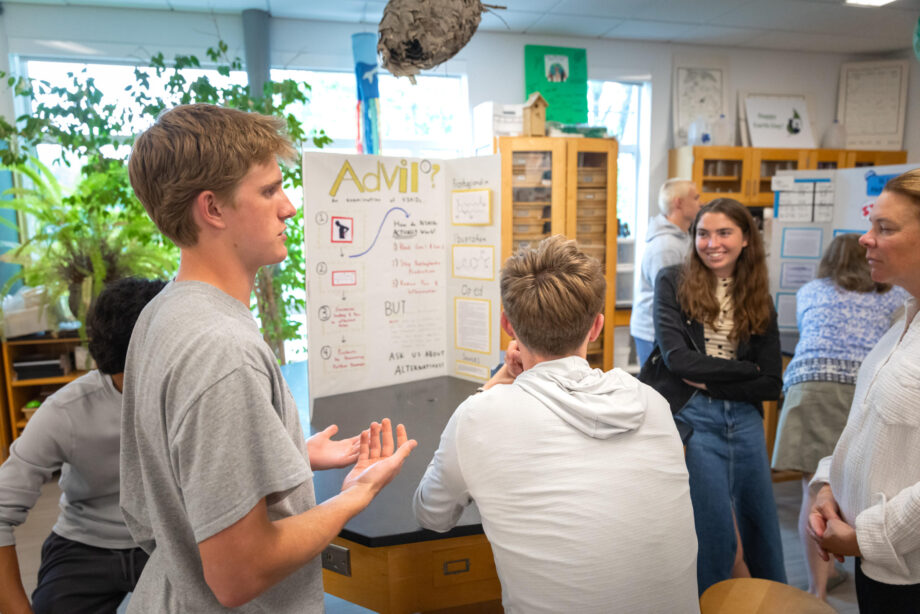
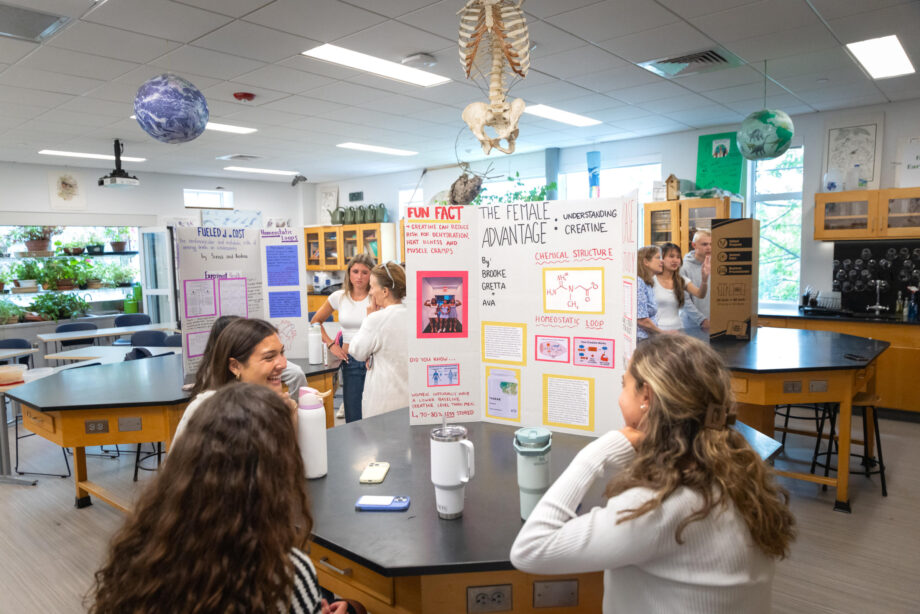
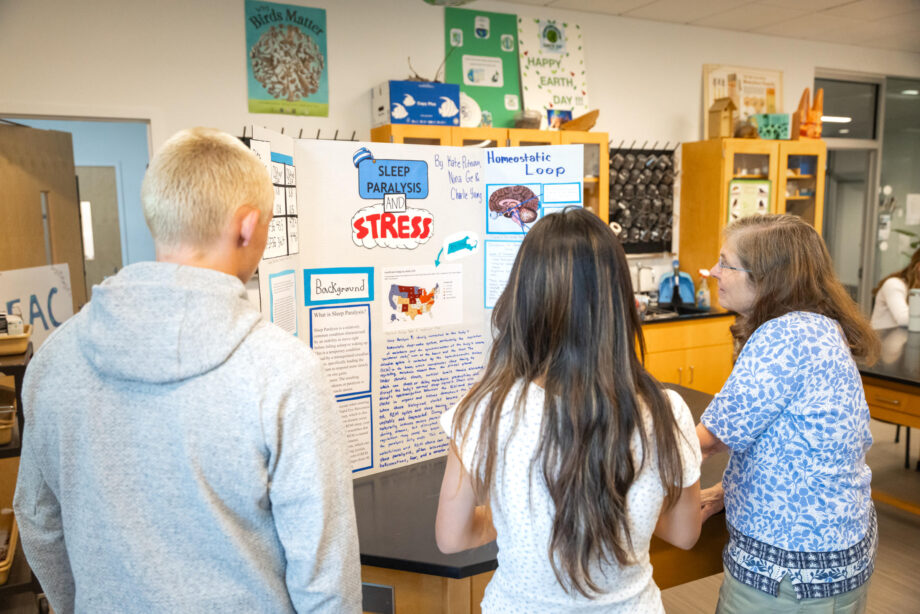
Students in Anatomy and Physiology study the immune system, learning about the molecular and cellular mechanisms organisms use to differentiate self from non-self and to recognize and respond to foreign substances. During the Academic Showcase, they presented posters on “Sleep Paralysis and Stress,” “Cardiovascular and Metabolic Risks of Energy Drinks on Adolescents,” and “An Examination of NSAIDs.”
AP Physics
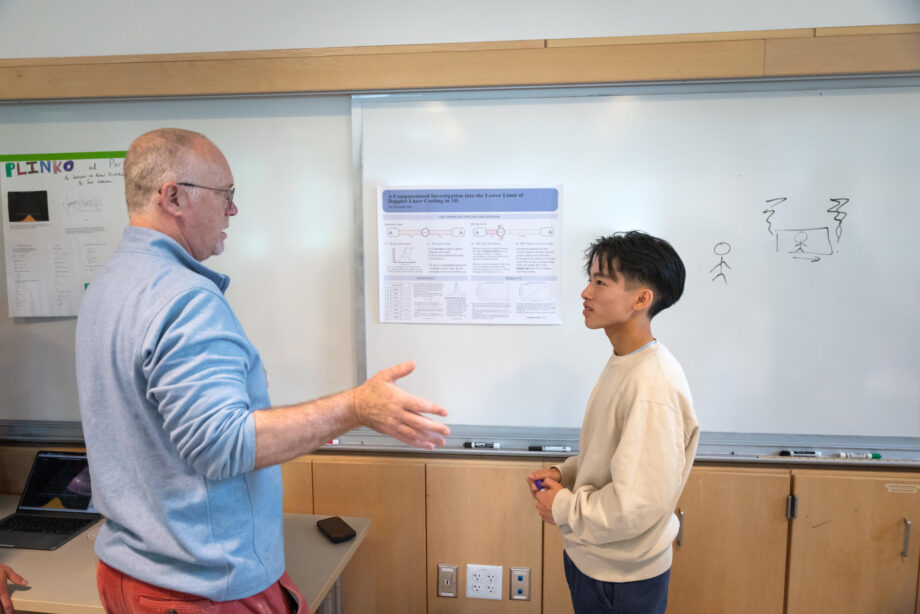
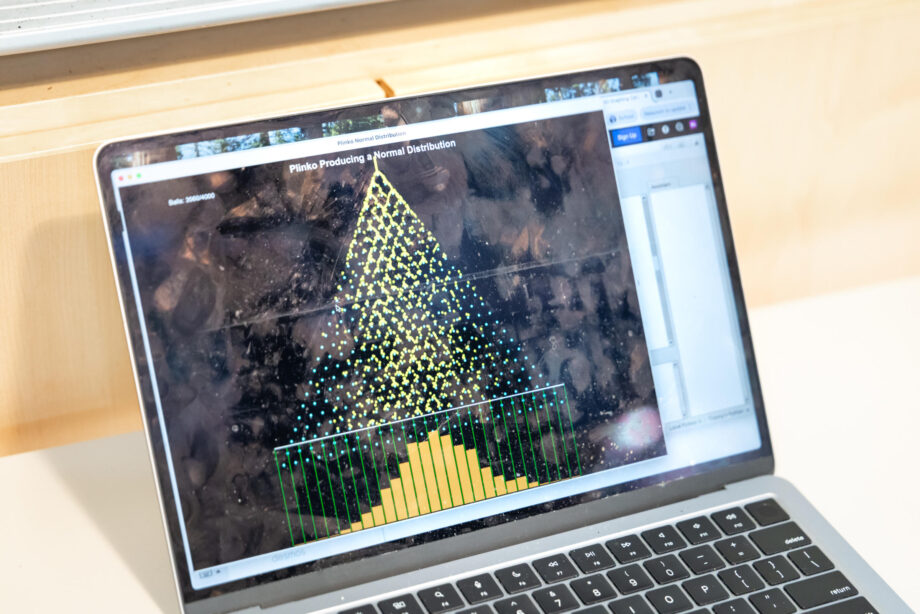
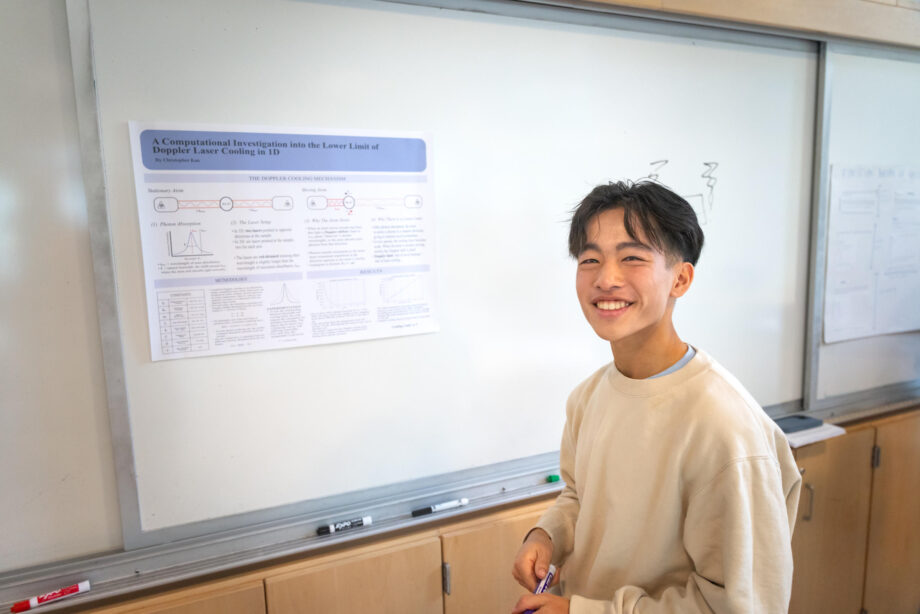
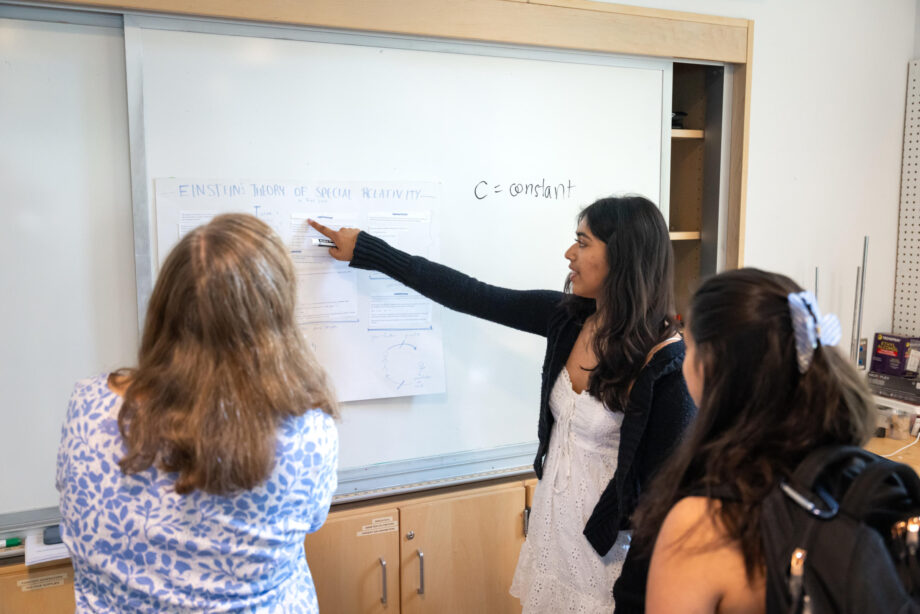
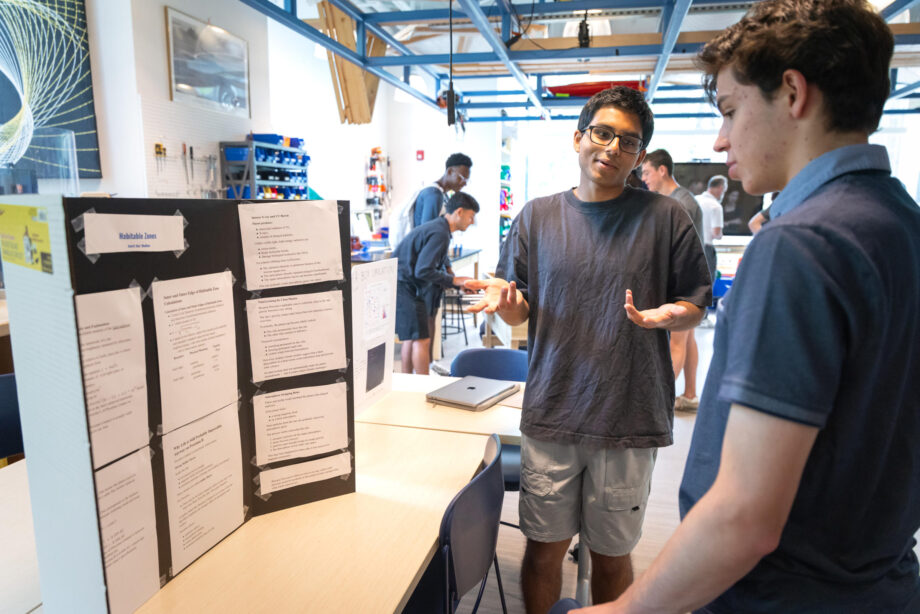
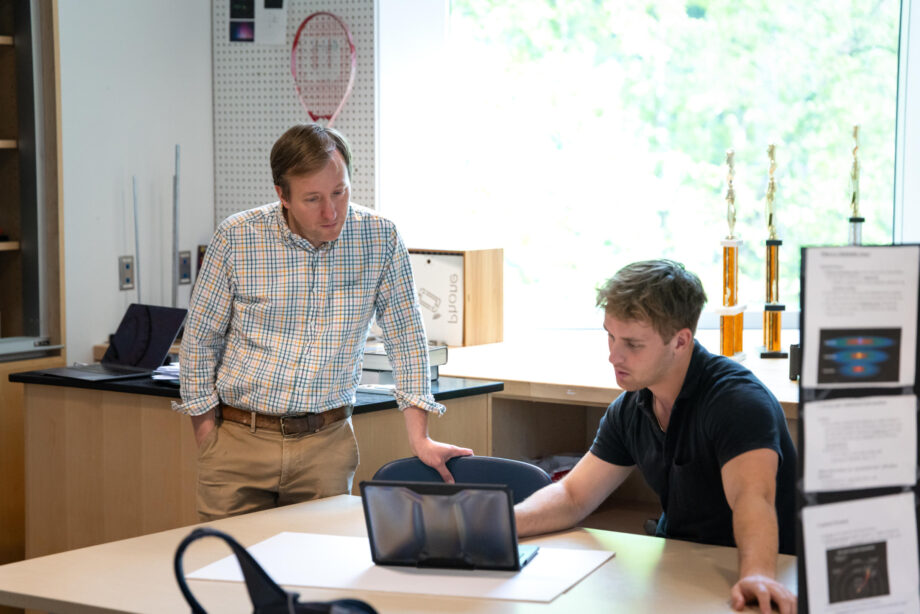
AP Physics is a calculus-based extension of the classical mechanics topics introduced in Honors Physics. Students engage in inquiry-based laboratory work, with problem sets as the foundational pillars of each unit that invite them to apply theoretical concepts to real-world scenarios. Final projects included “A Computational Investigation into the Lower Limit of Doppler Laser Cooling in 1D,” “Plinko and Particle Motion,” “First Principles of Habitable Zones,” “Einstein’s Theory of Special Relativity,” and “Gravity Sling, Orbital Mechanics Puzzles.”
Mechanical Engineering
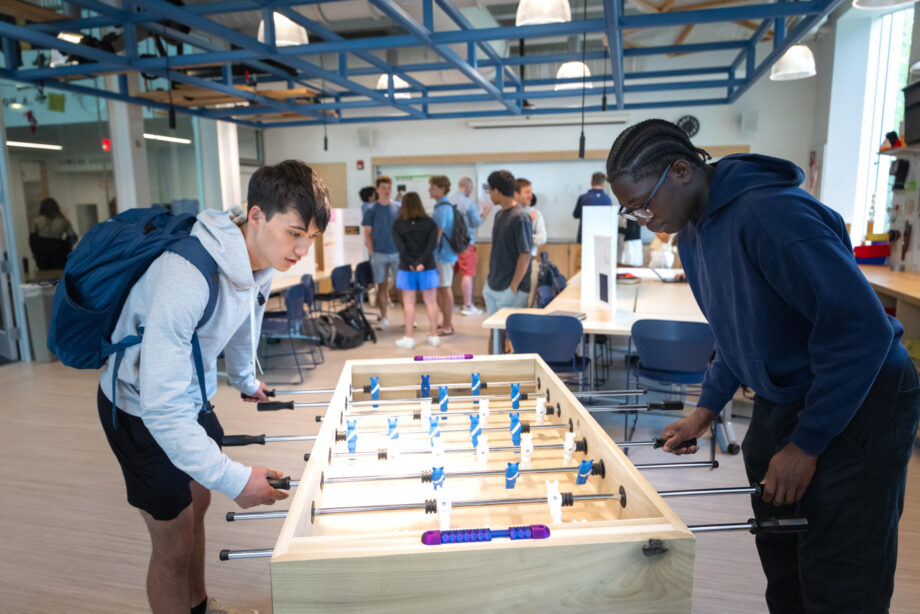
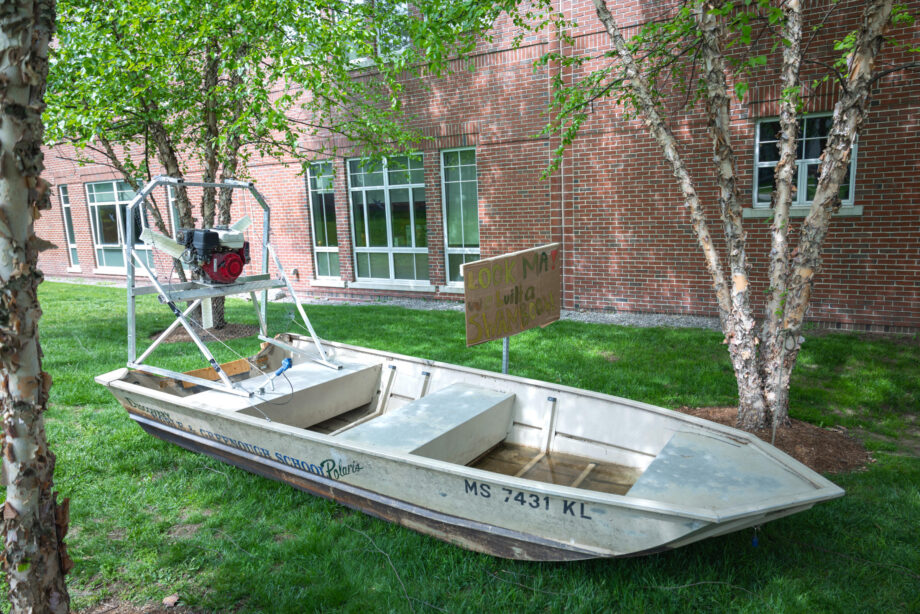
A project-based course, Mechanical Engineering exposes students to the engineering design process and its applications. For their final project, students worked in teams to develop an engineering design from concept to production, culminating in presentations on projects such as sending a weather balloon to the stratosphere, building a foosball table with 3D-printed bulldog figures, and creating a hovercraft.
HISTORY AND SOCIAL SCIENCES
Entrepreneurship and Innovation
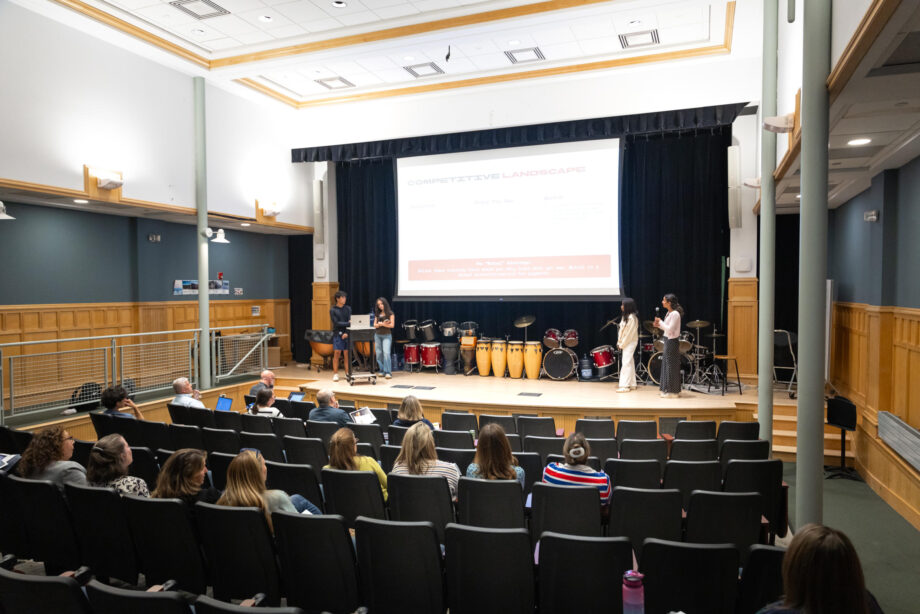
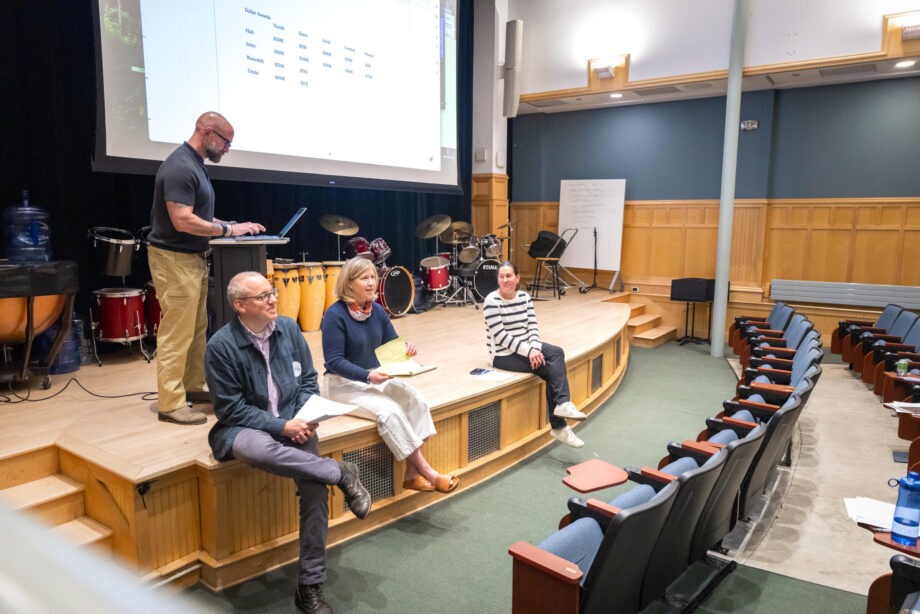
In Entrepreneurship and Innovation, students learn how to take entrepreneurial ideas and innovations from concept to reality. Over the course of the semester, students give three presentations, culminating in a final presentation of an original idea developed in teams using design-thinking methodologies learned throughout the course. Students pitched their entrepreneurial concepts “Shark Tank”-style in their final presentation. Projects included designing temporary housing for people displaced by natural disasters and homelessness, an AI-powered wardrobe-styling app, and a fast-casual build-your-own breakfast chain.
Honors Research Seminar
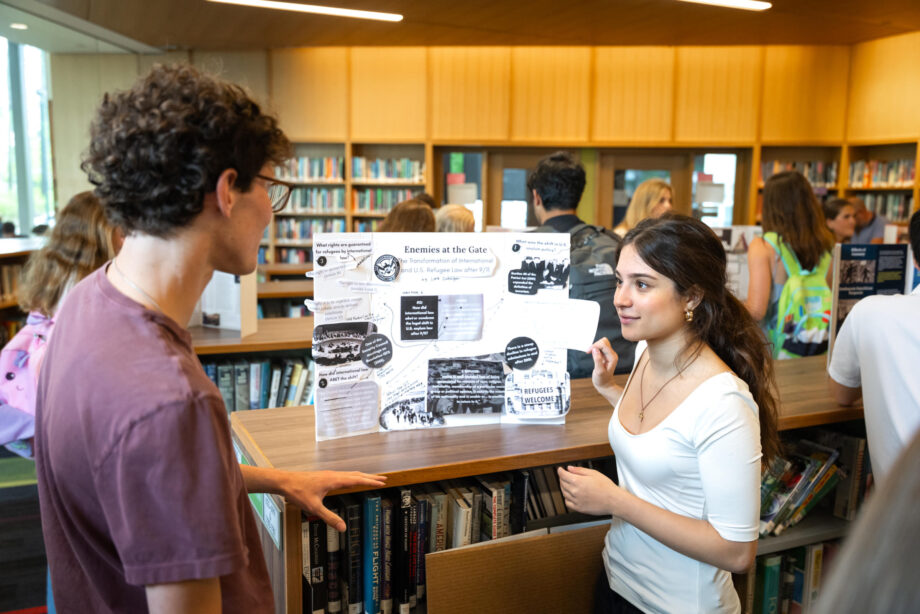
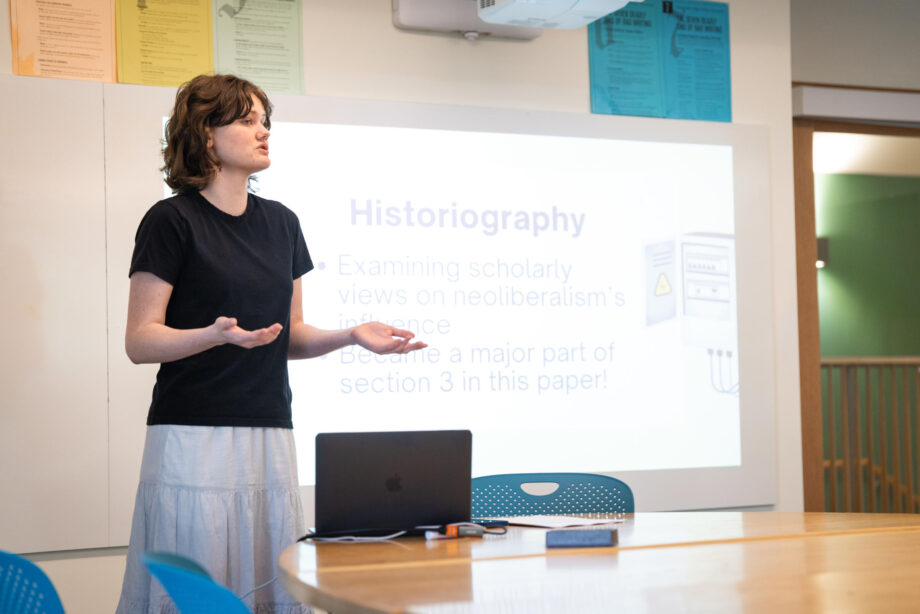
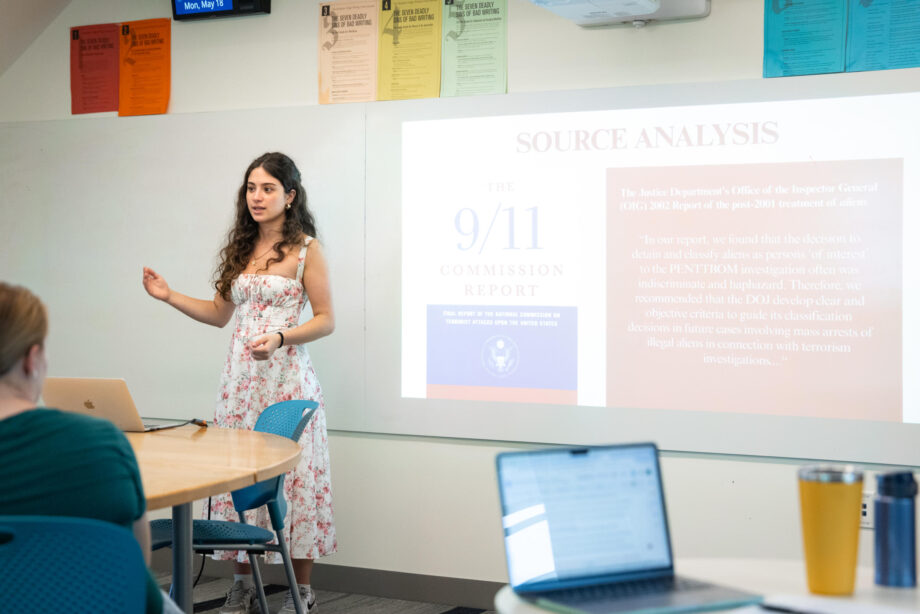
In Honors Research Seminar, Class I students work to develop advanced research and writing competencies and embrace the unique combination of collaboration and independence. The course culminates in a 30-page paper and a 20-minute presentation, in which each student shares an overview of their research question, thesis, argument, historiography, and process. Topics included “Enemies at the Gate: The Transformation of International and U.S. Refugee Law after 9/11,” “The Rise of a Superiority Complex: From the Monroe Doctrine to Gunboat Diplomacy,” and “Confronting Systemic Legacies: South African Electrical Infrastructure After Apartheid.”