With the rapid advancement of AI, many are asking: Why study computer science? It’s a question the Nobles community is taking seriously—and answering thoughtfully.
“Truth is, coding will probably be as obsolete as Morse code in a decade,” says Jayden Leung ’27. “This puts increasing emphasis on understanding underlying computer systems, especially in the realm of AI.”
The Nobles computer science department has embraced this reality by making programmatic changes to increase accessibility, reimagining pathways around essential computational thinking skills that will prepare students for the world ahead.
“All of the jobs students will aspire to—business, entrepreneurship, journalism, art, politics, public service—are going to have a significant technological, computational, and data dimension,” explains Computer Science Department Chair Max Montgomery ’14. “Computing foundations are part of the skills and knowledge that every student needs in the age ahead—not as a specialty, but as part of a liberal arts education.”
Reimagined Pathways
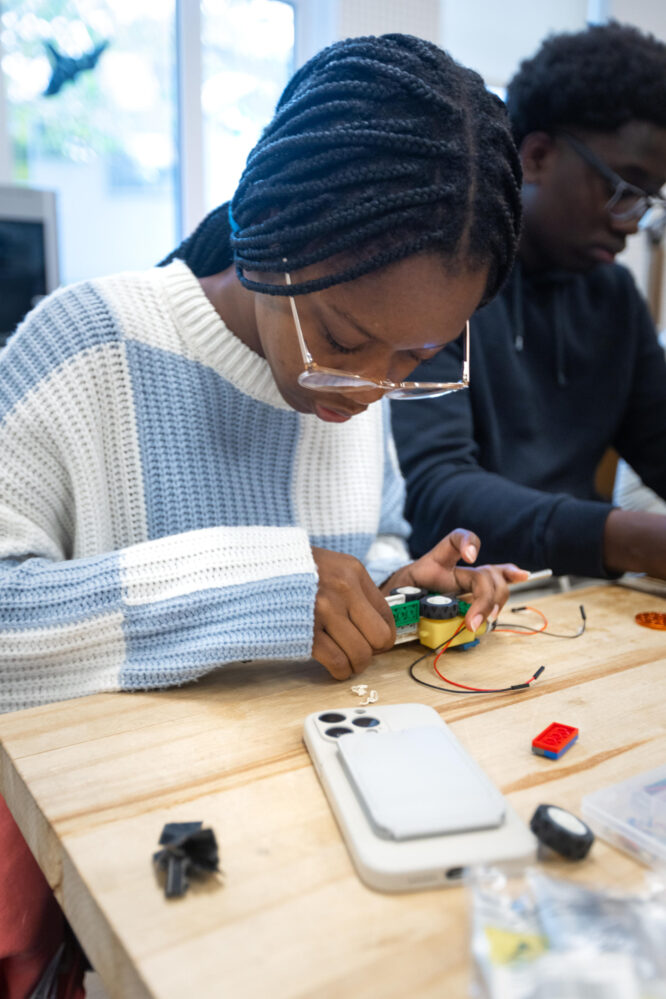
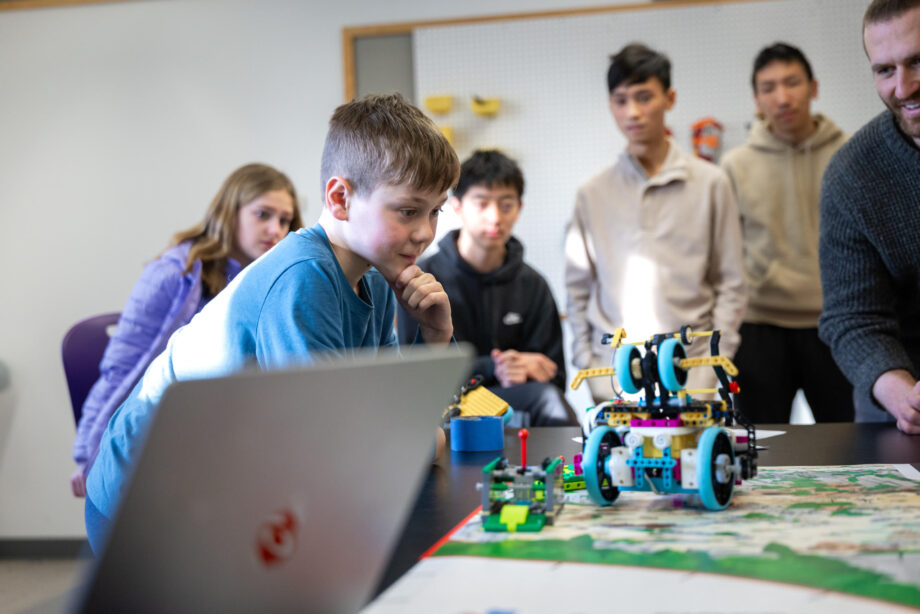
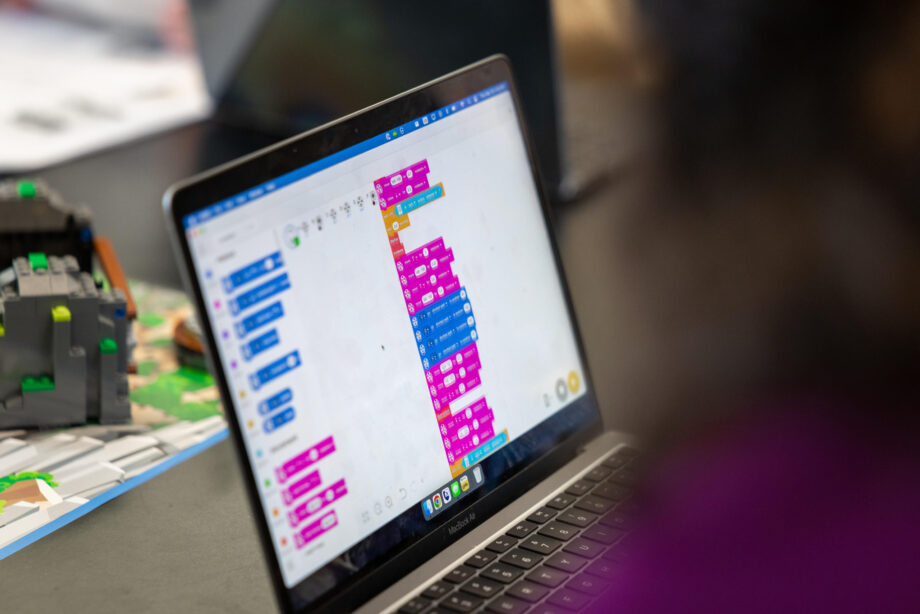
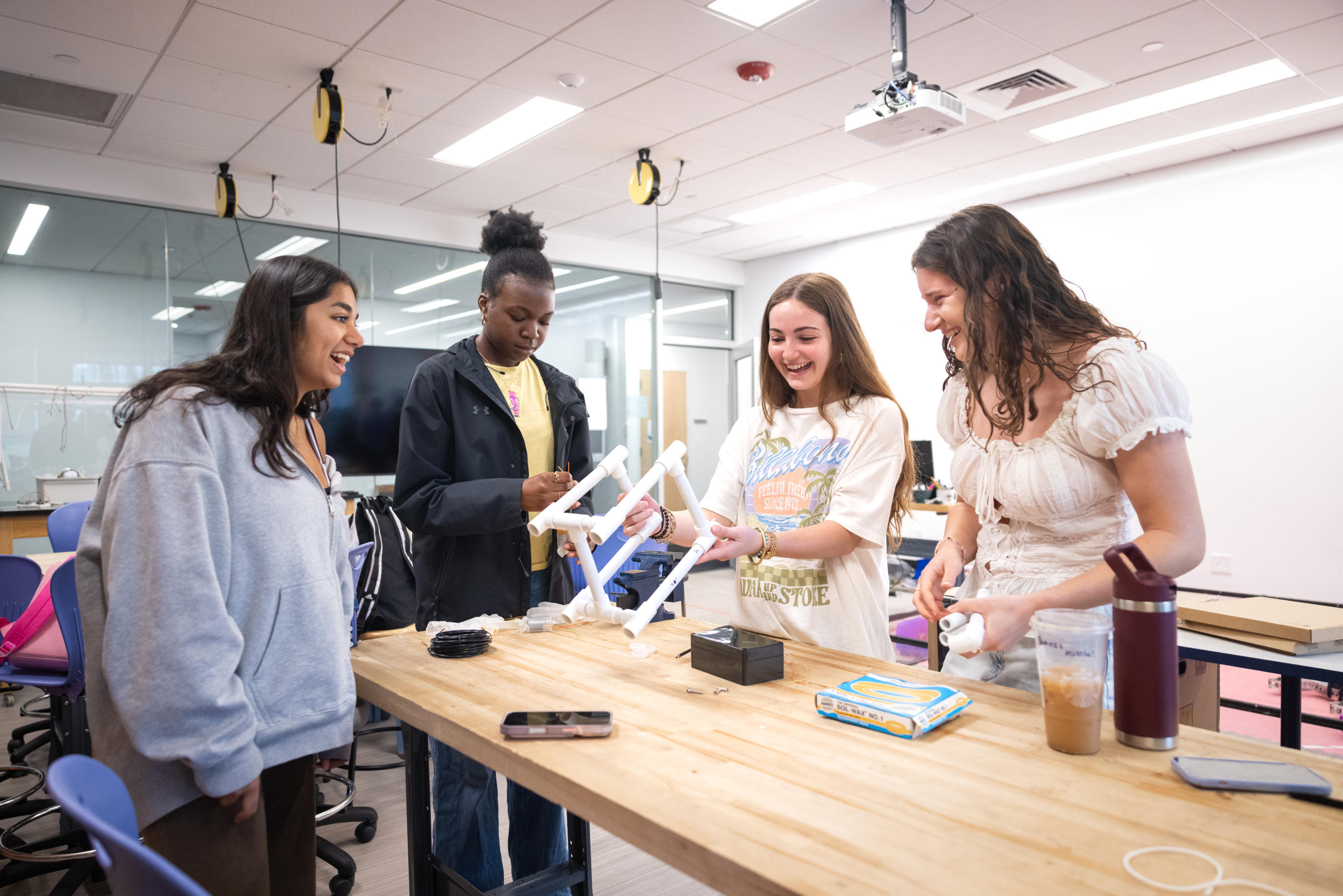
The restructured program creates multiple entry points into computer science. All incoming Class VI students take a quarter of computer science (CS6), exploring basic programming, block coding, visual programming, and introductory robotics and physical computing. Class V students can continue with a semester-long elective (CS5).
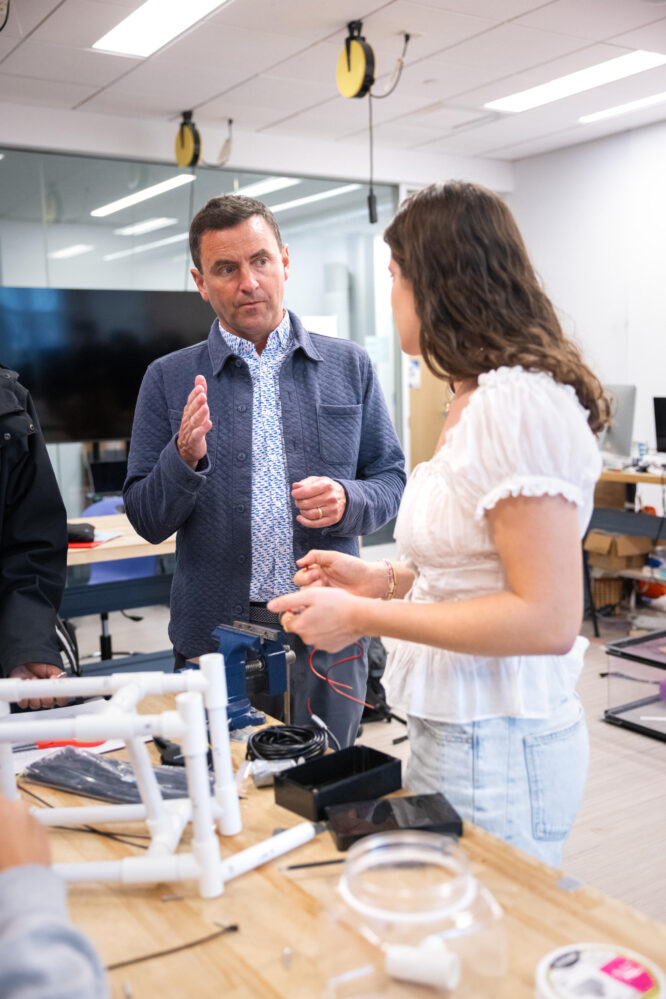
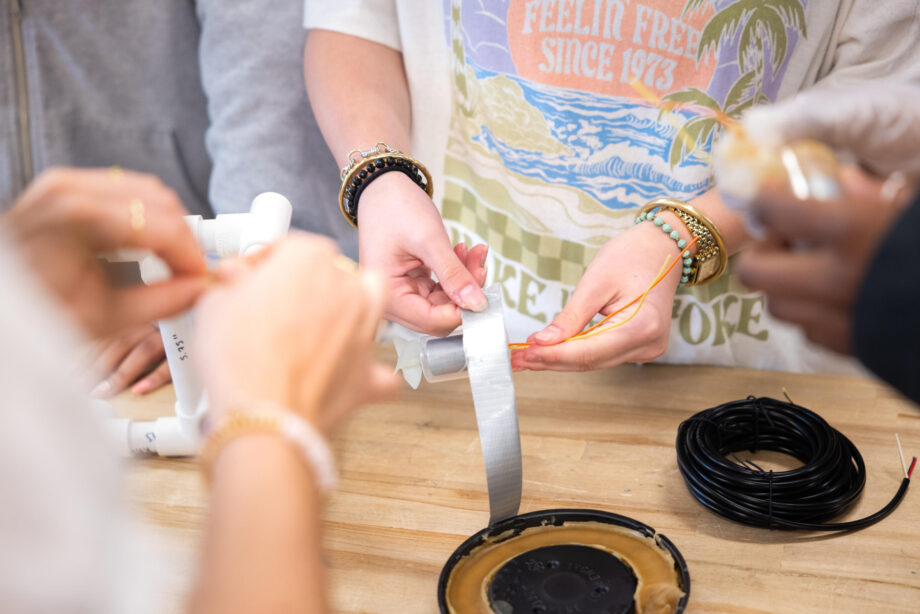
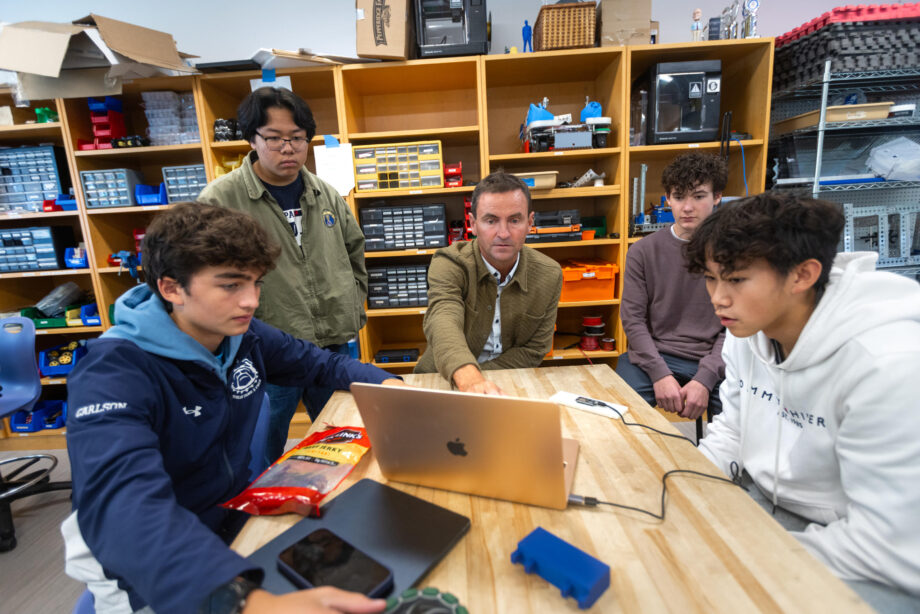
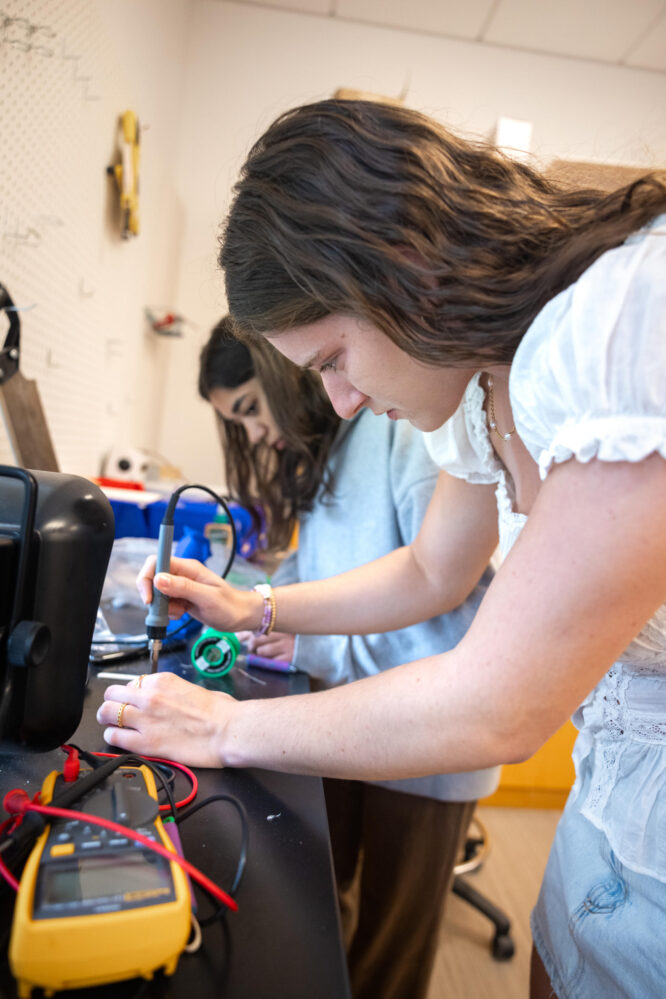
The most substantial changes will take effect in the Upper School starting in fall 2026. Introduction to Programming and Introduction to Robotics will merge into Fundamentals of Computing, a single entry point that covers the foundational principles of programming, electronic engineering, and robotics. Students can then move freely across courses in programming, AI, and electronics.
Offerings include AP Computer Programming, Advanced Robotics 1 and 2, which focus on different aspects of robotics and electrical engineering, and a dedicated AI course. In the AI course, students explore questions about machine learning, intelligence, and the societal implications of AI before completing an independent project.
A Voice at the Table
As the department evolves, accessibility and representation remain central priorities.
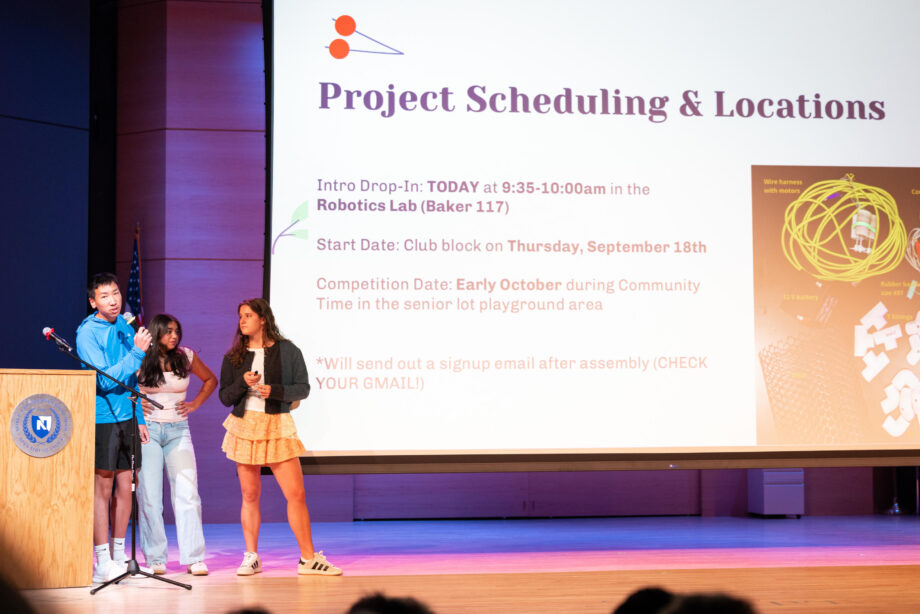
At Assembly earlier this year, Montgomery presented a slide showing the leaders of the six largest AI companies in the world—all men. “We live in a time of accelerating change, and they are going to decide who this technology is for, who it represents, and who it benefits,” he shared. “I think it is absolutely critical that all of you know that you are capable of participating in this world and that you belong in this world. I think it’s equally important that many of you do, in order to ensure that this technology broadly represents humanity and benefits us all.”
Montgomery’s message resonated with Natalia Calvillo ’26, president of Women in STEM and co-president of Nobles Society of Women Engineers (NSWE). Calvillo, who plans to study naval architecture and marine engineering with a minor in environmental engineering in college, has known she wanted to be an engineer since elementary school. “Engineering, for me, is about giving back to our world and our planet,” she explains. “Ever since I was 8, I have wanted to develop what I call the ‘indigestible microbot,’ a robot to help solve pollution.”
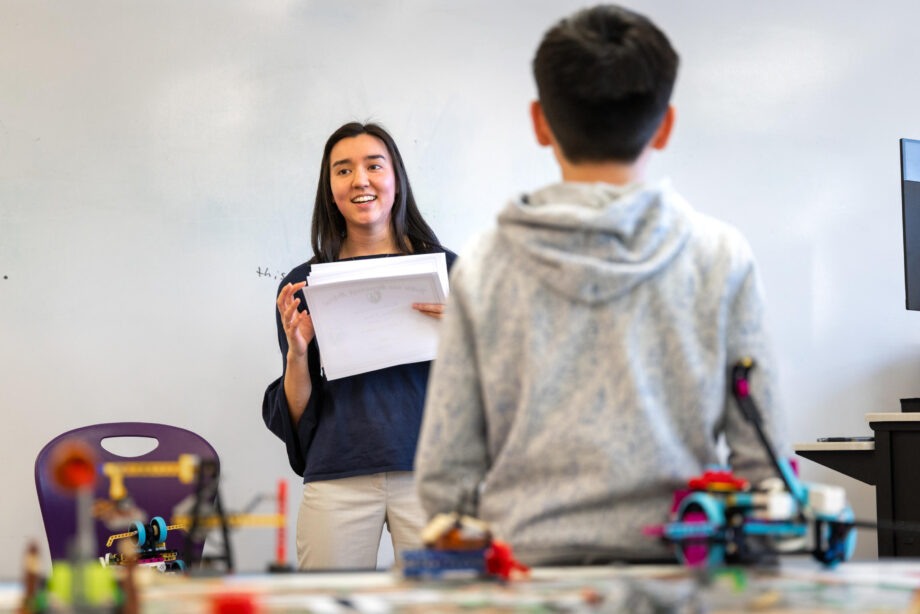
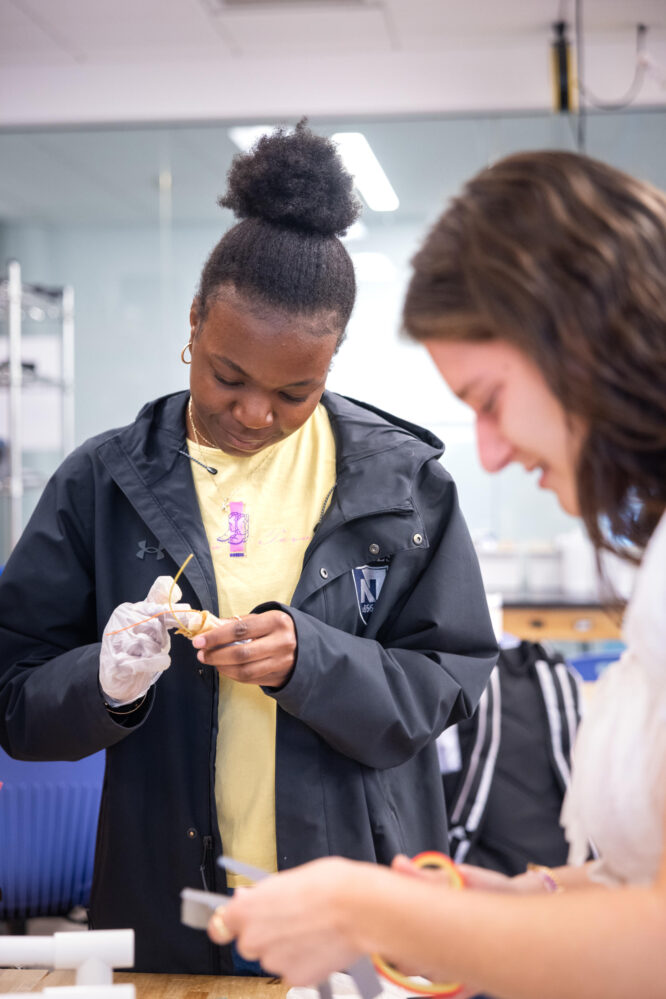
Calvillo is one of a growing number of students at Nobles committed to ensuring that a broad range of voices have a seat at the table. While being one of the few girls in computer science never fazed her, by her sophomore year, she felt a responsibility to address the gender gap. Since founding NSWE, Calvillo and co-president Aashna Dialani ’26 have inspired more girls to get involved in computer science and engineering. For these students, the presence of Molly McGuigan—Nobles’ first female computer science teacher—has also reinforced the sense that they belong in these spaces.
“You don’t have to be somebody who likes coding or wants to do Java or Python all day,” Calvillo explains. “There’s a lot of diversity in the courses you can take.”
Beyond the Classroom
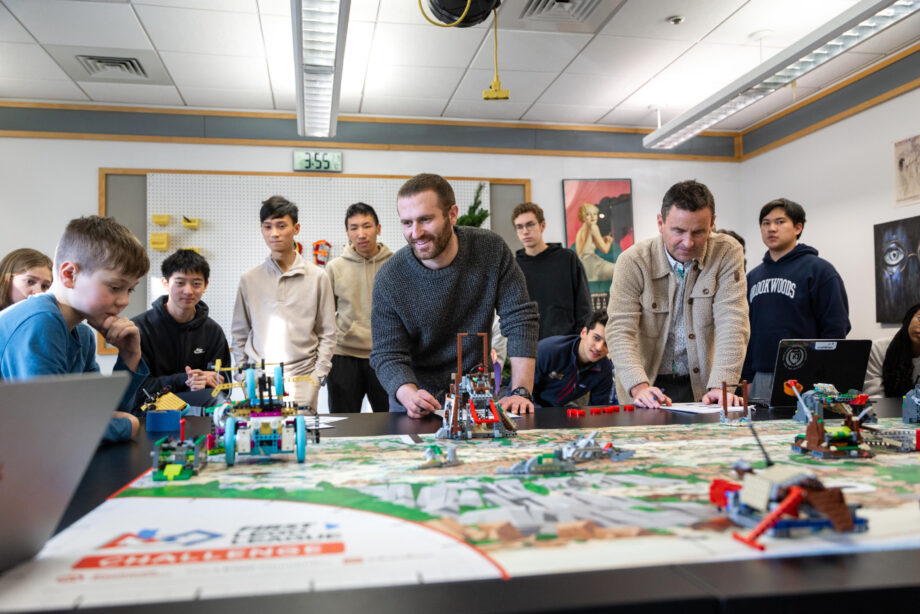
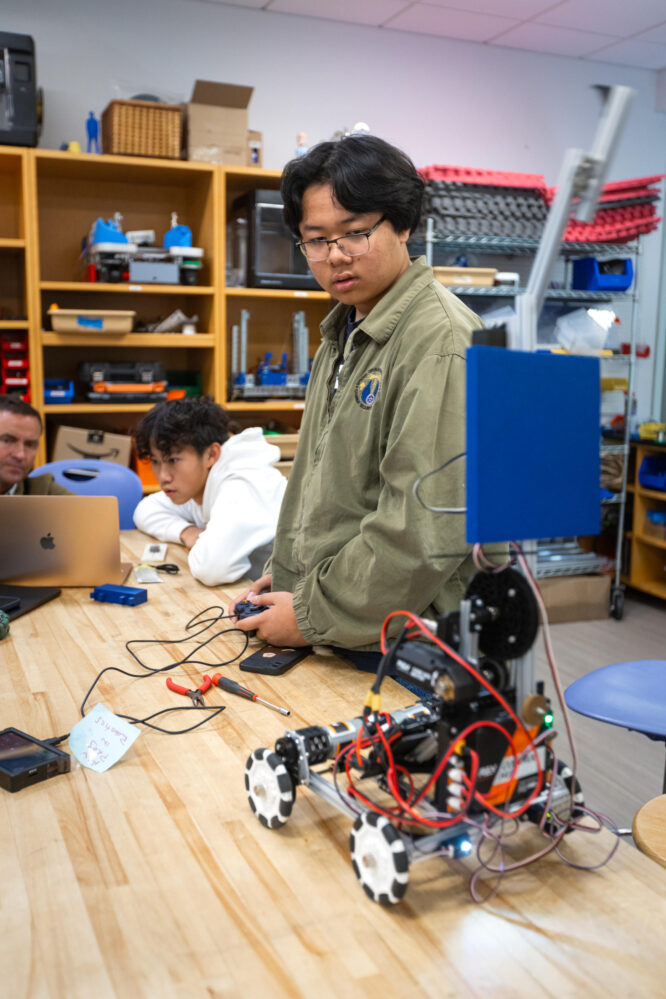
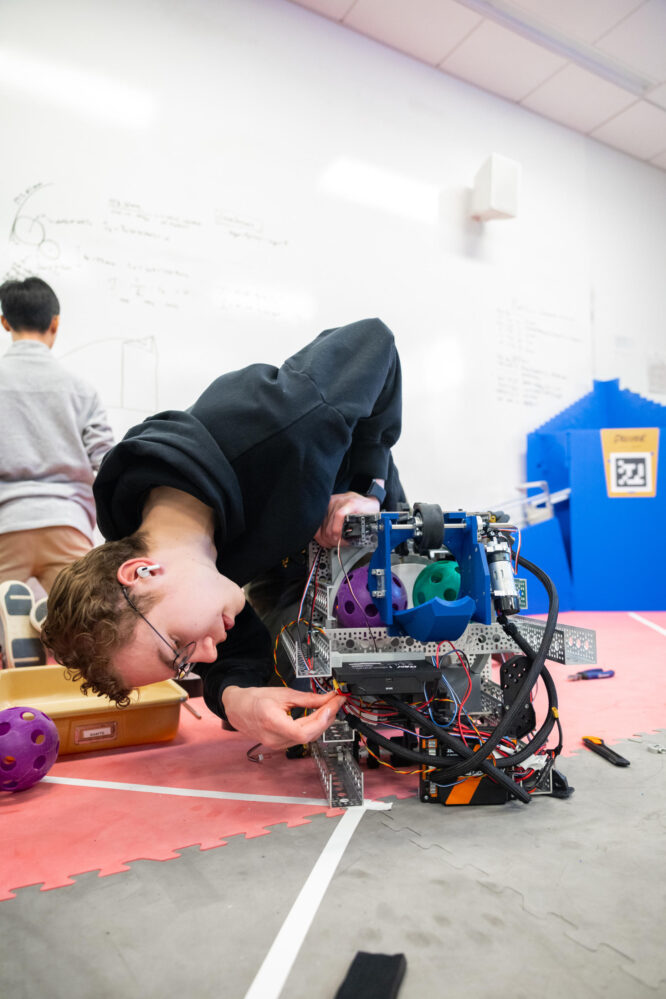
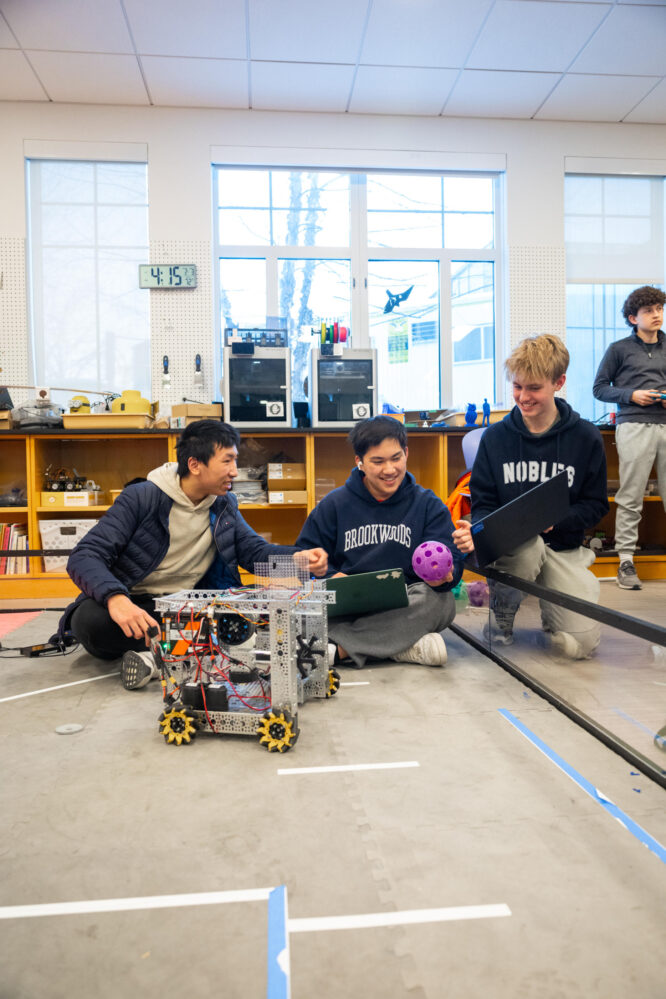
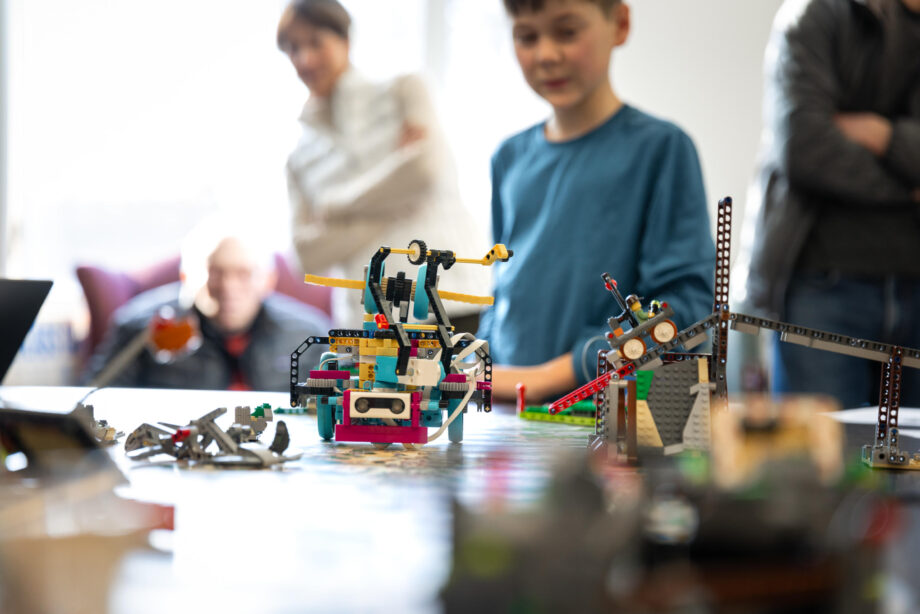
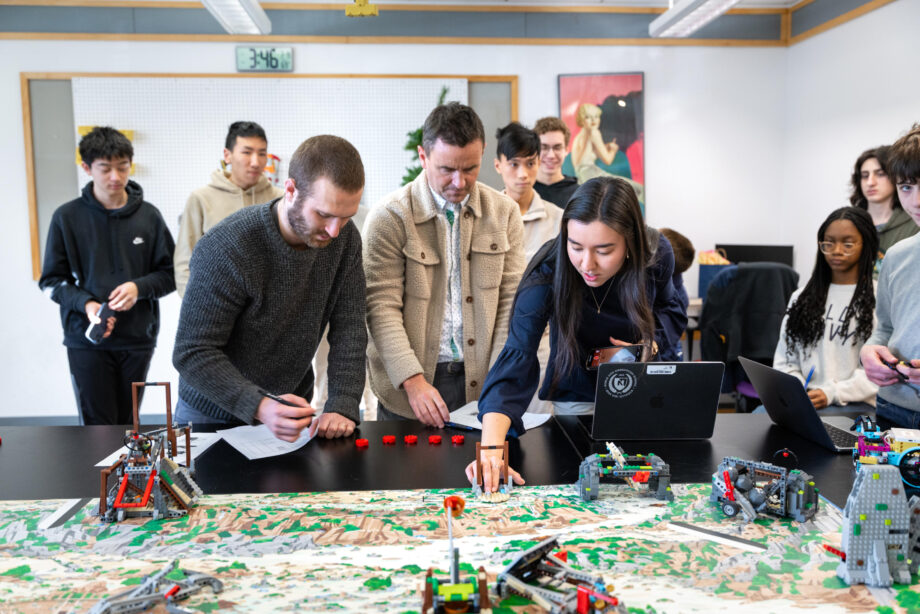
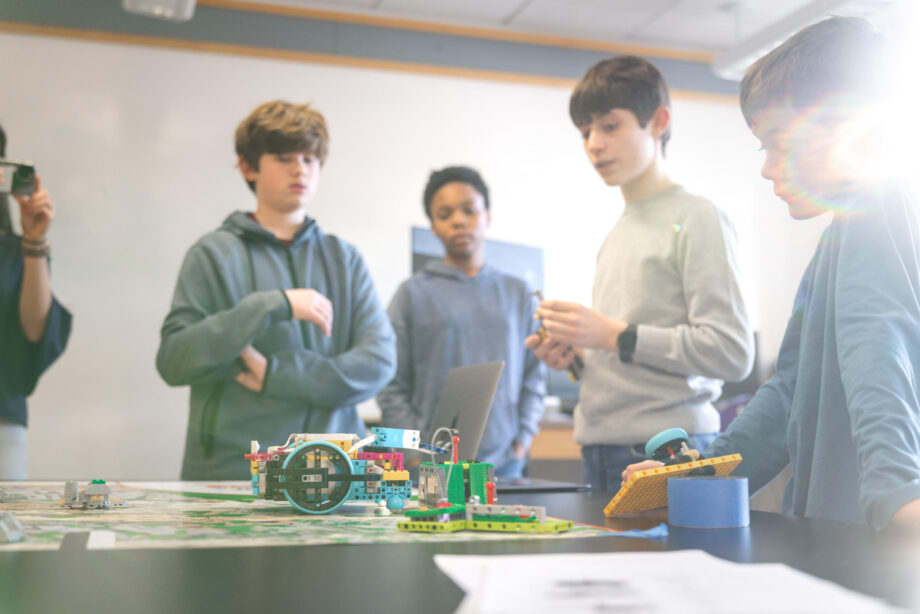
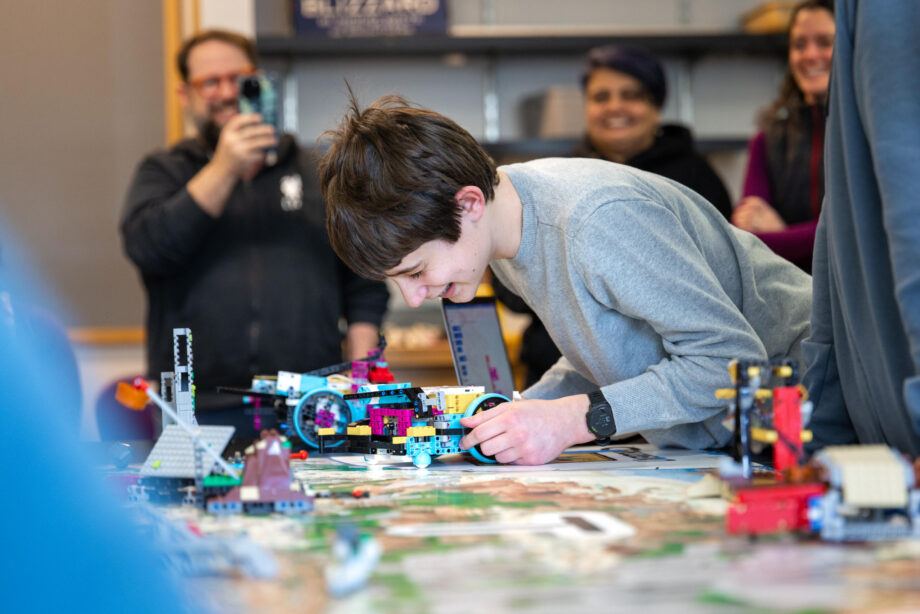
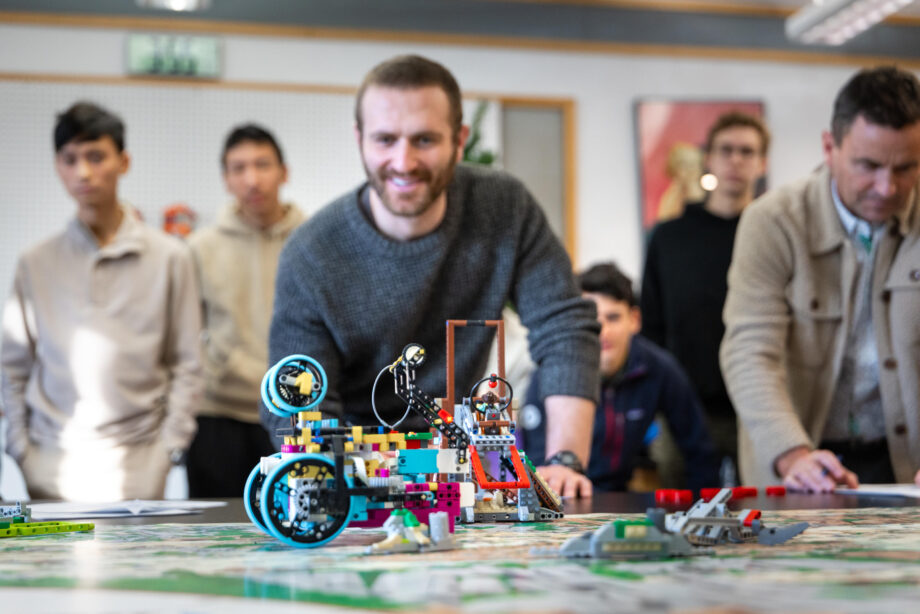
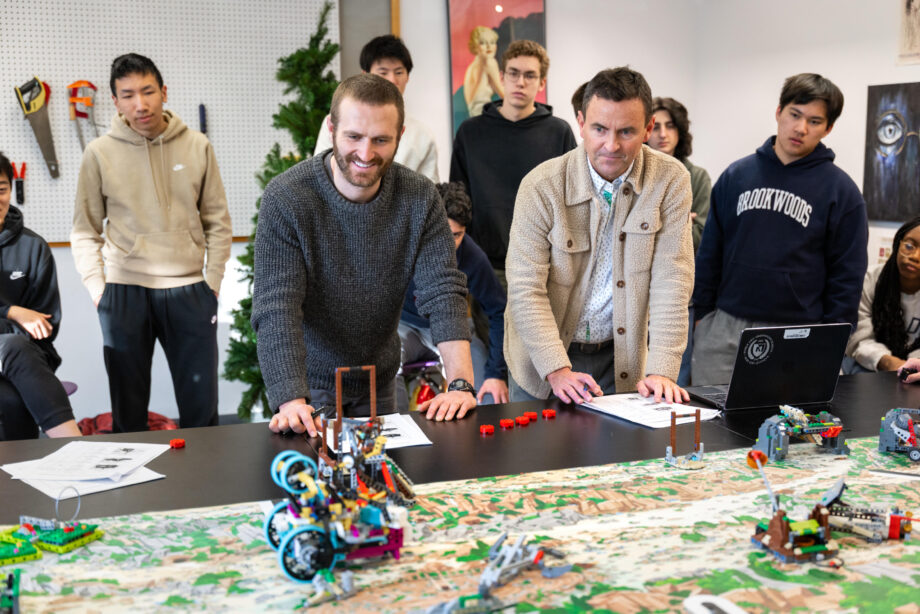
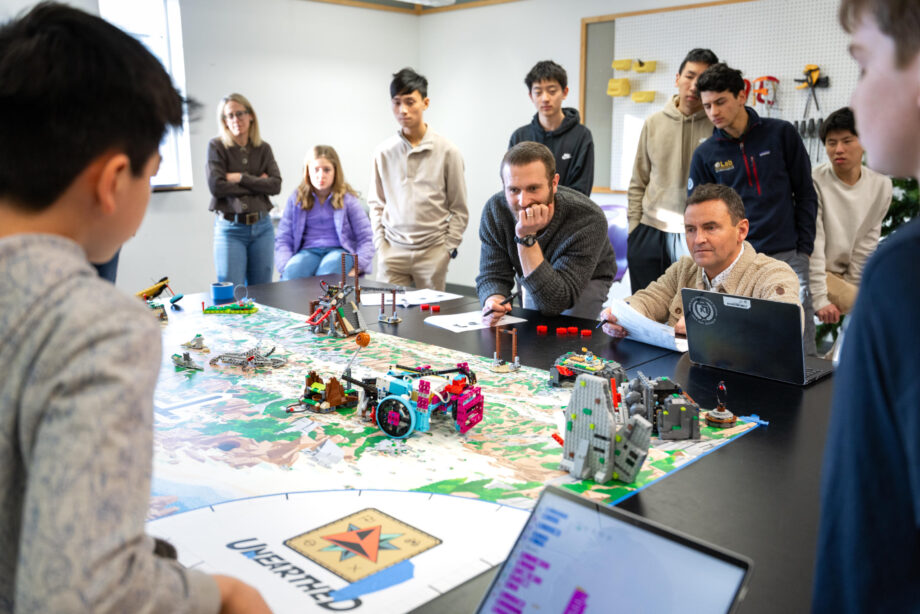
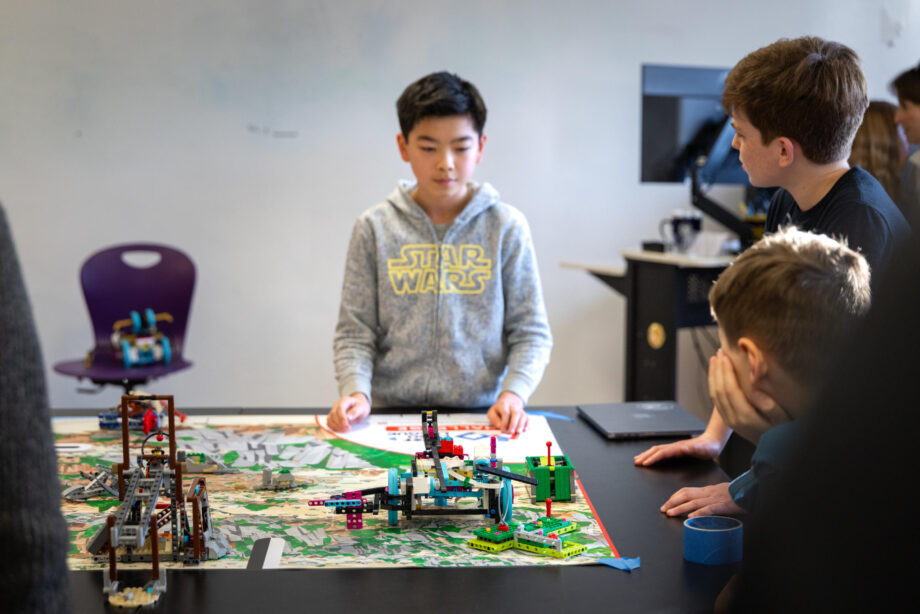
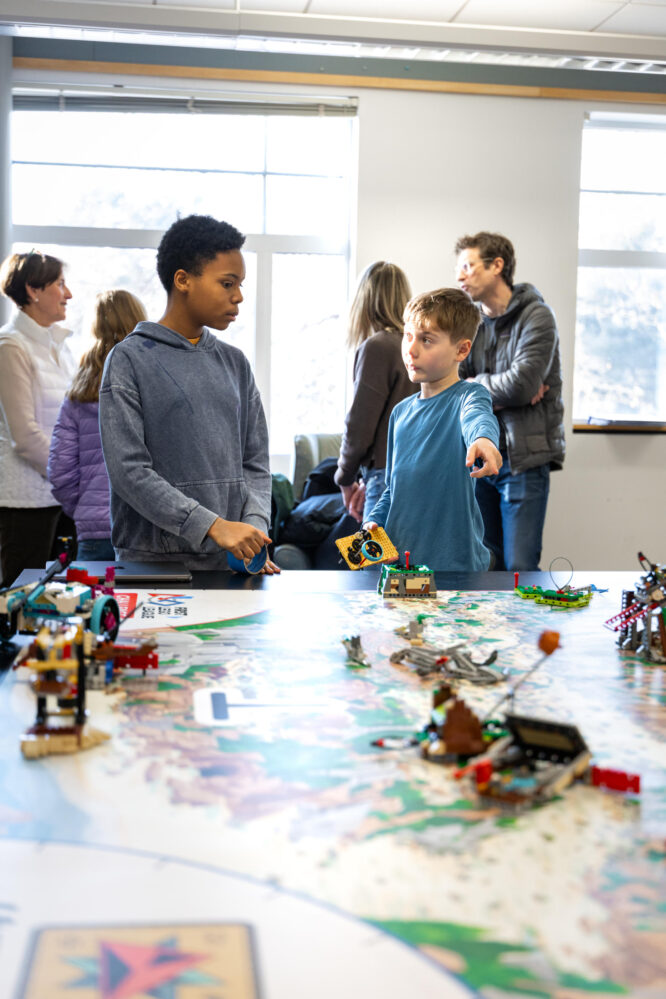
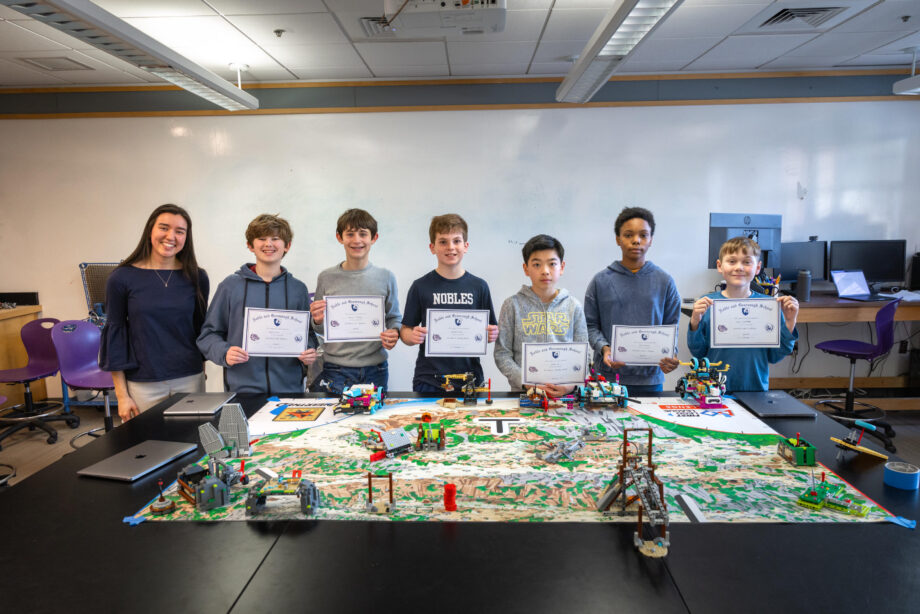
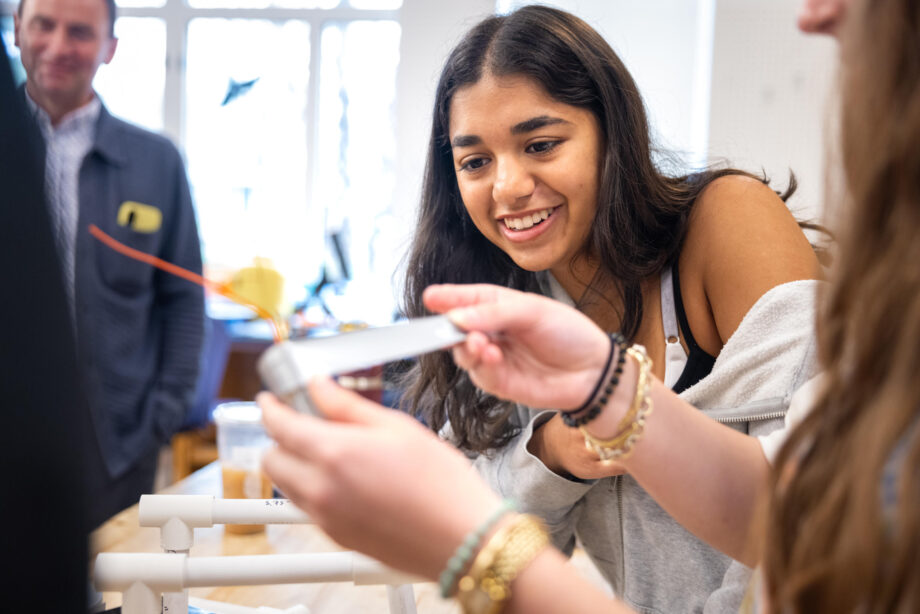
The department’s reach extends beyond the classroom. This year, robotics became a middle school Afternoon Program option for the first time, culminating in an intersquad FIRST Lego League (FLL) competition. In the Upper School, students can compete in the FIRST Technical Challenge (FTC) through the robotics winter Afternoon Program. A growing slate of clubs, including Robotics, AI, Coding, Women in STEM, and the Nobles Society of Women Engineers, offers even more ways for students to get involved.
“The rapidly shifting AI era is posing deep and complex questions for the sector of education,” shares Head of School Cathy Hall. “As Nobles strives to continue to be an academic exemplar, we need to meet this moment with curiosity and confidence, identifying the elements of teaching and learning that must evolve and the aspects of human connections that have never been more important.”
Through its redesigned curriculum and expanding programs, the department is preparing students to shape the future of technology, regardless of where their paths lead.